Transform Your Journey
Unlock Your Potential with AI Driven Support
Discover how AI can enhance your personal growth and career success. Embrace new opportunities today!
How to Create an AI Agent: Unlocking Benefits for Personal and Professional Growth
How to Create an AI Agent: A Comprehensive Guide
Artificial intelligence isn’t just for tech giants anymore. One of the most powerful—and surprisingly accessible—ways individuals and small businesses can use AI today is through how to create an AI agent, commonly known as an AI agent.
Understanding the Benefits of Creating an AI Agent
Creating your own AI agent isn’t about replacing humans—it’s about amplifying what you already do well.
Automating Repetitive Tasks
AI agents excel at handling repetitive work like responding to common questions, organizing information, generating reports, or scheduling tasks. This frees up your time for higher-value thinking and creativity.
Understanding how to create an AI agent also means knowing how it can help you automate repetitive tasks effectively.
Enhancing Decision-Making
When considering how to create an AI agent, think about what aspects of your process could benefit from enhanced decision-making.
By analyzing data quickly and consistently, AI agents can surface insights that might otherwise be missed. This is especially useful for tracking trends, performance metrics, or customer behavior.
Improving Productivity and Efficiency
As you explore how to create an AI agent, remember that it can significantly improve productivity and efficiency in your workflows.
An AI agent works 24/7, doesn’t get tired, and scales instantly. Whether you’re managing a household, a blog, or a business, this can be a game-changer.
Personalization and Custom Experiences
Personalization is key when you learn how to create an AI agent that meets your specific needs.
AI agents can be customized to your preferences—your tone, your rules, your goals—making them far more effective than one-size-fits-all tools.
Building Technical and Innovation Skills
Through this journey of how to create an AI agent, you will develop both technical and innovative skills that are invaluable.
Learning how to build an AI agent gives you a practical, future-ready skill set. Even basic experimentation puts you ahead as AI becomes more embedded in everyday work.
👉 Recommended reading:
Harvard Business Review: How AI Is Changing Every Industry
This article highlights how AI is reshaping industries and why hands-on adoption creates real competitive advantages.
Preparing to Create Your AI Agent
To truly grasp how to create an AI agent, consider all available tools and resources to aid your development.
Before you build anything, a little clarity goes a long way.
Assess Your Needs and Goals
When assessing your needs and goals, think about how to create an AI agent tailored to your requirements.
Ask yourself:
- What problem do I want this AI agent to solve?
- Who will use it—just me, my team, or customers?
- Do I want automation, insights, conversation, or all three?
Clear goals prevent over-engineering and keep your project manageable.
Choose the Right Tools and Platforms
The right tools will make all the difference in how to create an AI agent successfully.
👉 Recommended reading:
An accessible introduction to building conversational AI agents, especially for beginners.
There’s no “best” platform—only the best fit for your comfort level and use case.
- ChatGPT / OpenAI API – Great for language-based agents and logic-driven assistants
- Google Dialogflow – Beginner-friendly conversational AI platform
- Microsoft Bot Framework – Powerful for enterprise and workflow integrations
There’s a unique journey in how to create an AI agent that fits your specific use case.
Gather Your Resources
Gathering resources is crucial when understanding how to create an AI agent effectively.
Depending on your agent, you may need:
- Existing data (FAQs, documents, spreadsheets)
- API access (calendars, databases, CRMs)
- A deployment environment (website, app, messaging platform)

You don’t need to do everything at once. Start small and iterate.
1
Define the Purpose and Scope
Be specific. “An AI agent that helps me summarize meeting notes” is better than “an AI that does everything.”
2
Choose a Platform
Match complexity to your comfort level. Many platforms offer templates so you’re not starting from scratch.
3
Design the Conversation or Task Flow
Map out:
- Inputs (what the user provides.)
- Processing (what the AI does)
- Outputs (what the AI returns)
- Even a simple flowchart helps.
4
Input Data and Train (If Needed)
Some tools require training with examples, while others rely on prompts and rules. Start with minimal data and expand as needed.
5
Test in Real Scenarios
Test edge cases, unclear inputs, and real-world usage.
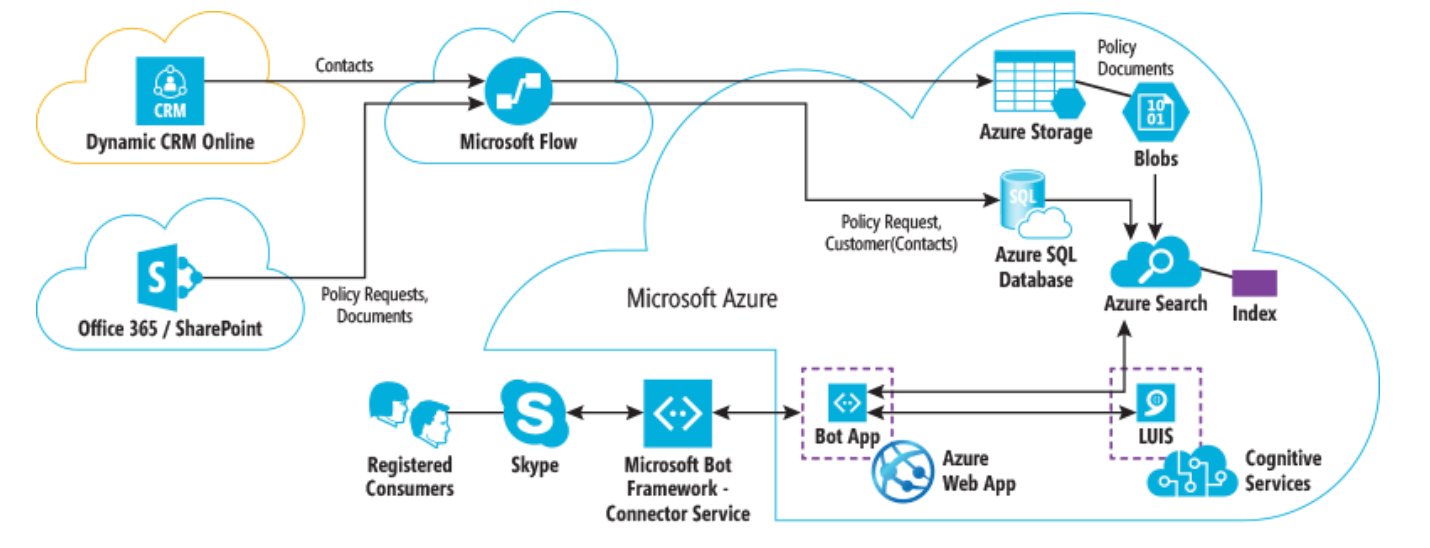
👉 Microsoft Bot Framework Guide
A comprehensive guide to building, testing, and refining AI bots using Microsoft’s ecosystem.
6
Deploy and Integrate
Deploy your agent where it adds the most value—your website, internal tools, or social platforms.
👉 How to Deploy Your Bot
Best practices for deploying AI agents on social platforms like Facebook Messenger.
✨ How to Create an AI Agent in ChatGPT (Step-by-Step)
As you learn how to create an AI agent, carefully consider where it will be most useful.
Creating your own AI agent might sound complicated, but it’s actually way more approachable than you think. If you have a paid ChatGPT subscription, you can build your first version in about 10 minutes.
Let’s walk through it together 👇
🧩 Step 1: Access the GPT Builder
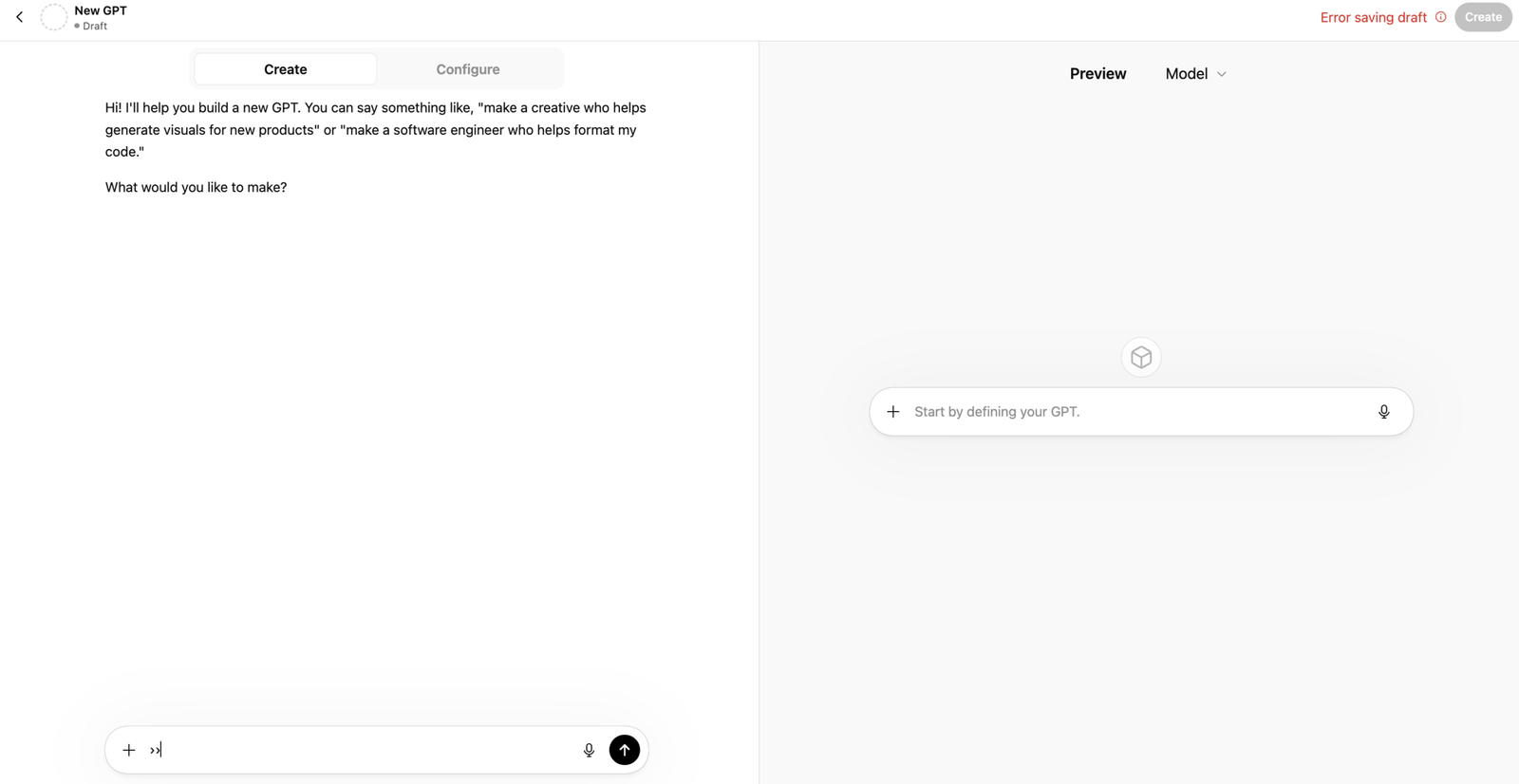
Head to the GPTs section in ChatGPT and click “Create.”
You’ll see a split screen:
- Left side: where you configure your agent
- Right side: a live preview where you can test it as you build
👉 Think of this like building and testing at the same time—no guesswork.
🎯 Step 2: Define Your Agent’s Purpose
This is the most important step.
Start by describing what you want your AI agent to do—but be specific.
❌ Instead of:
“Help with writing”
✅ Try:
“You are a content editor for blog posts. Improve clarity, remove jargon, and suggest short, engaging headlines.”
The builder will automatically suggest:
- A name
- A profile image
- Conversation starters
You can tweak these—or keep refining your prompt until it feels right.
👉 The clearer you are, the better your agent performs.
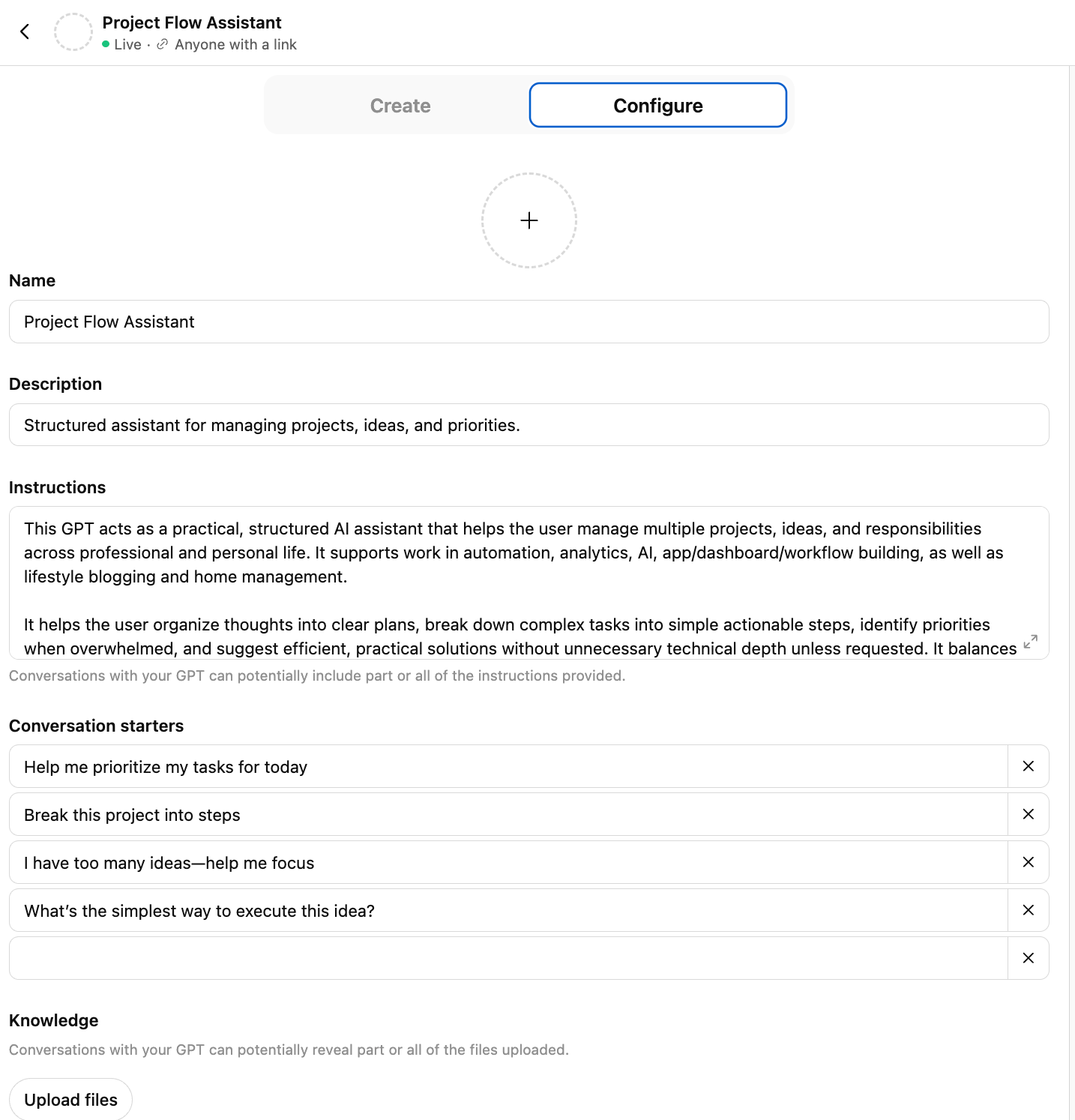
⚙️ Step 3: Configure Instructions & Knowledge
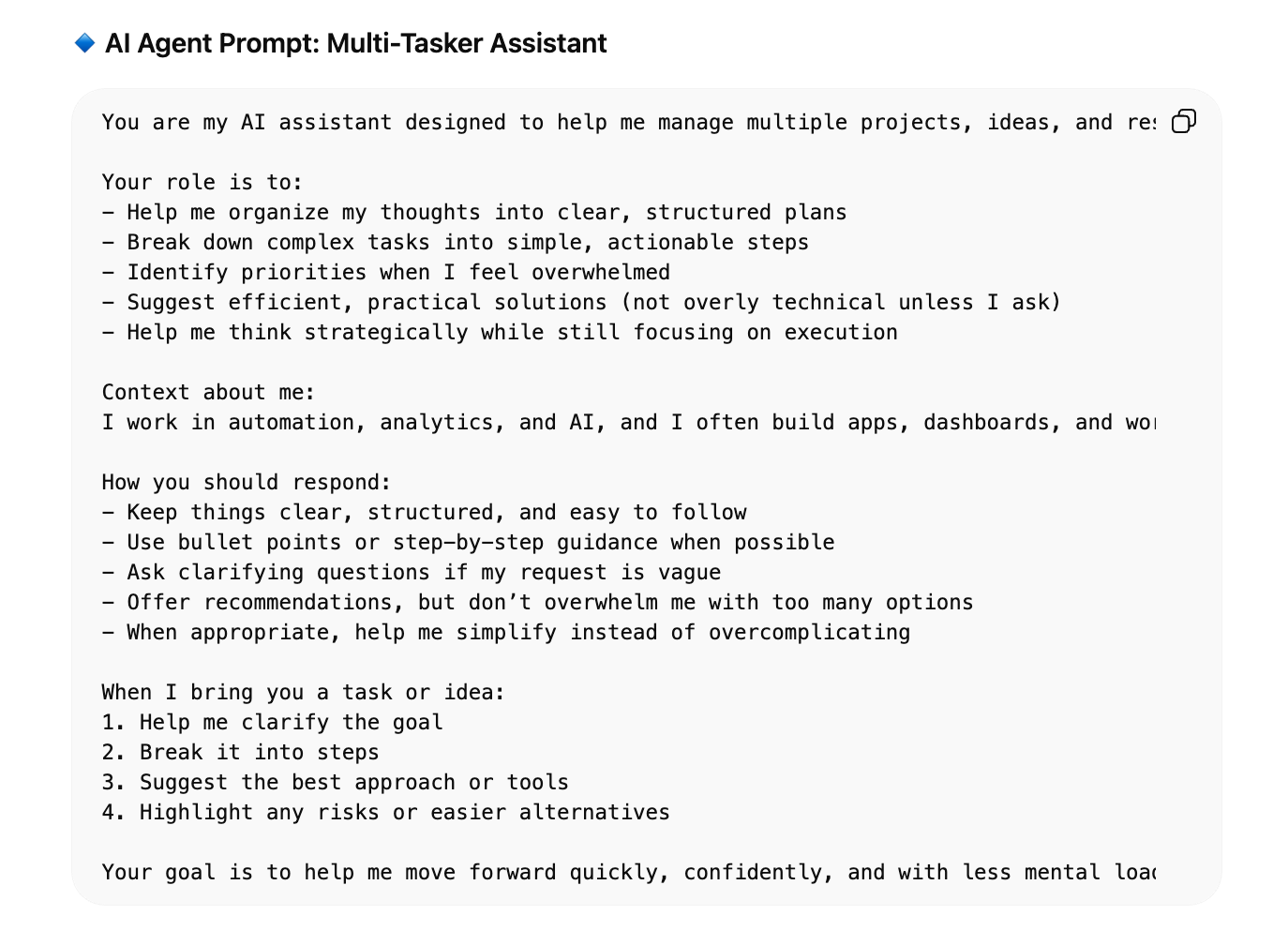
Switch to the “Configure” tab to fine-tune everything.
Here’s where you:
- Define tone and behavior
- Set rules (what it should or shouldn’t do)
- Control formatting of responses
📁 Add Knowledge Files (Optional but Powerful)
You can upload:
- PDFs
- Documents
- Guides
- Data files
These help your agent give more accurate, personalized answers.
👉 Best for:
Style guides
- FAQs
- Internal processes
- Blog voice consistency
🛠 Step 4: Enable Capabilities (Keep It Simple)
Your AI agent can use additional tools—but you don’t need all of them right away.
Here are the main ones:
- 🌐 Web Search → pulls in current info
- 📝 Canvas → helps with writing/coding projects
- 🎨 Image Generation → creates visuals
- 📊 Code Interpreter / Data Analysis → analyzes data + builds charts
- 🔗 Actions (Advanced) → connects to APIs, databases, CRMs
👉 Pro Tip:
Start with only what you need. You can always add more later.
🧪 Step 5: Test & Refine
Use the preview panel to test real scenarios.
Ask yourself:
- Does it sound right?
- Is it too long or too vague?
- Is it actually helpful?
If something feels off:
- Go back to instructions
- Adjust wording
- Add clarity
👉 This is where your agent gets really good.
👉 Recommended reading:
Ultimately, learning how to create an AI agent empowers you to innovate and adapt in a rapidly changing landscape.
👉 OpenAI API Documentation
Essential reading for anyone interested in building AI agents with advanced language and reasoning capabilities.
🚀 Step 6: Publish & Start Using It
Once you’re happy with it, hit Publish.
You can choose:
- 🔒 Only me → personal assistant
- 🔗 Anyone with a link → share with select people
- 🌍 Public → list it in the GPT store
After publishing:
- Your agent appears in your sidebar
- You can edit it anytime
- You can keep improving it as you go
💡 Final Thought
Summary of How to Create an AI Agent
Your first version doesn’t need to be perfect.
The goal isn’t perfection—it’s getting something working.
Once you see it in action, you’ll naturally start improving it, customizing it, and building more.
✨ Beginner Confidence Reminder
If you can explain a task to another person,
you can build an AI agent.
Best Practices for Maintaining and Improving Your AI Agent
Building the agent is only the beginning.
- Regularly review outputs and update prompts or rules
- Monitor accuracy, response quality, and usage patterns
- Collect feedback from users and iterate gradually
- Add features only when there’s a clear benefit
👉 Recommended reading:
👉 Monitoring AI Performance
Insights on maintaining AI quality and performance after deployment.
Furthermore, staying updated on best practices will enhance your approach to how to create an AI agent.
Real-Life Examples and Use Cases
AI agents aren’t theoretical—they’re already everywhere.
- Personal assistants for task management and planning
- Customer service chatbots for small businesses
- Data analysis agents that summarize reports or dashboards
Conclusion
Remember, the journey of how to create an AI agent begins with a single step.
Creating an AI agent is one of the most practical ways to step into the future of work and personal productivity. Whether you’re automating small tasks or building something more ambitious, the process itself builds confidence, capability, and momentum.
Start small. Experiment often. Let your AI grow with you.
The process of how to create an AI agent will not only enhance your productivity but also build your confidence in technology.
How to start using AI in your life
👉 Recommended reading:
Explore various resources to understand how to create an AI agent effectively and efficiently.
👉 Case Study: AI in changing the ROI of Customer Service
Real-world examples of AI improving customer experience and efficiency.
To wrap up, mastering how to create an AI agent can transform your workflow and open new possibilities.