Luxury Vinyl Plank (LVP) flooring is transforming modern interiors, offering the beauty and durability of hardwood without the hefty price tag. Homeowners are increasingly choosing LVP for its many advantages, including affordability, waterproofing, scratch resistance, and long-lasting appeal. Remarkably, it mimics the look of real hardwood so closely that it’s hard to tell the difference. And the price? The savings compared to genuine wood can amount to thousands of dollars, making it an exceptional choice for any budget-conscious remodel.
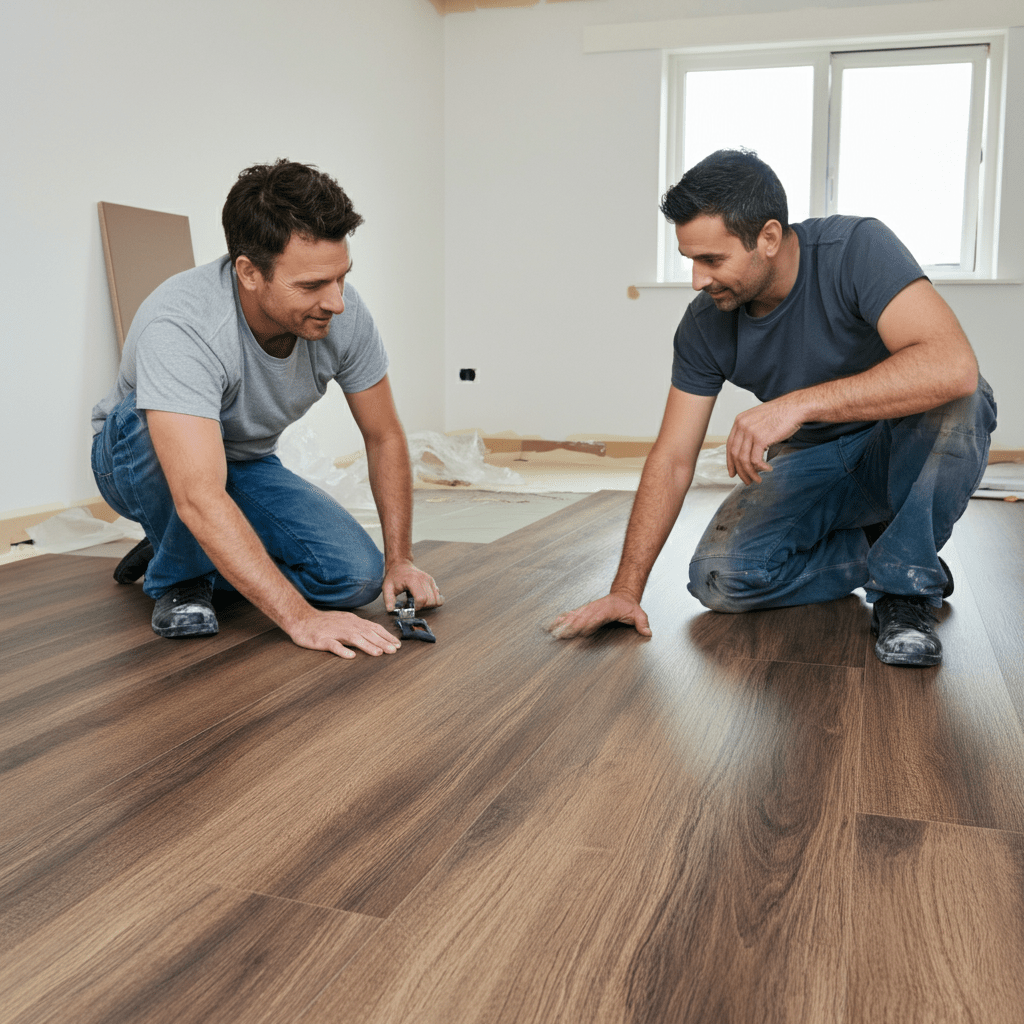
Picking the right LVP Flooring (Luxury Vinyl Plank) to complement your existing wood flooring can create a seamless and stylish look in your home. Expert interior designers recommend considering several factors to ensure the LVP matches cohesively with your current wood floors. Below, we provide a complete guide to help you make the best decision. We’ll explore the benefits of LVP flooring, its durability, maintenance tips, and design options to enhance your living space.
Picking the Right LVP Flooring: Tips from Interior Designers
Understanding Luxury Vinyl Plank (LVP) Flooring
Luxury Vinyl Plank flooring is a popular choice for homeowners due to its versatility and affordability. It mimics the appearance of natural wood while providing enhanced durability and moisture resistance. This section will delve into what LVP is made of, its advantages over traditional hardwood, and why it’s an excellent choice for various environments.
- Match the Undertones
For example, if you have oak wood floors with warm yellow undertones, look for LVP options that also feature yellow-gold hues. This can create a more cohesive, inviting atmosphere in your home. Additionally, if your wood floors are darker, consider LVP that has similar depth to avoid stark contrasts that may disrupt the aesthetic flow.
Pay close attention to the undertones of your existing wood flooring. For instance, if your floors have warm undertones (yellows, reds, or oranges), look for LVP options with similar hues to create harmony. Cool undertones (grays or blues) or neutral floors should also be paired with LVP of similar undertones.
- Choose Complementary Grain Patterns
For instance, if your existing wood floors have a smooth finish, selecting LVP that also offers a smooth surface will help in creating a unified look. Moreover, some manufacturers provide texture options that can emulate hand-scraped or distressed wood, which can add character and depth to your design.
Look for LVP with grain patterns that mimic your current wood flooring. Some brands offer high-definition wood grain textures that replicate natural wood and pair well with existing designs.
- Opt for Similar Widths and Finishes
Using LVP that has a similar plank width to your wood flooring can enhance the overall flow and design of your space. For example, if your wood planks are 5 inches wide, select LVP that maintains that same width to achieve a harmonious appearance.
Matching the plank widths and finishes of your current wood floors is essential for a cohesive look. Matte, gloss, or hand-scraped finishes should align with your original flooring.
- Use Samples
When requesting samples, consider taking home multiple options to test in your unique lighting conditions. Natural light can dramatically change how colors and textures appear, so make sure to evaluate your samples at different times of the day.
Request or purchase LVP samples and compare them side-by-side with your current flooring in different lighting conditions. This allows you to see how well they blend.
- Consult with Experts
Moreover, professionals can provide insights on the latest trends and styles that may not be immediately apparent to DIYers. They can help you visualize your space with virtual tools or mood boards, making the selection process more manageable.
If you’re unsure, consult with an interior designer or flooring specialist. They can provide professional advice to ensure a proper match.
Discover why experts are raving about Luxury Vinyl Planks (LVP): “Luxury vinyl flooring has become a leading choice in interior design, seamlessly combining style, durability, and practicality. As designers strive to find materials that balance aesthetics with functionality, LVP stands out as a versatile and sustainable solution.”

Learn more About LVP Flooring
For additional information on installation methods and tips, check out my other post
Picking the right LVP Flooring: Price Comparison Chart
For those looking for a broader perspective, researching online resources and forums can provide additional insights on the experiences of others who have undergone similar installations. These platforms often share tips on matching LVP with wood floors effectively.

Picking the right LVP Flooring: Tools You’ll Need for DIY Installation

Installing LVP flooring yourself doesn’t require professional-grade tools, but having the right equipment ensures a smooth and effective process. Below is a list of tools you’ll need:
Wearing gloves can also provide a better grip on the planks, reducing the risk of injury while ensuring that you can handle them effectively during installation.
A rubber mallet is not just for installation; it can also help remove stubborn planks during reinstallation or repairs, making it a versatile tool in your flooring toolkit.
A T-square or straight edge is crucial for achieving straight cuts, especially in corners and edges where precision is essential for a professional finish. Measure twice and cut once to avoid errors!
Having a high-quality tape measure will help you capture precise measurements, avoiding waste and ensuring a perfect fit for your planks. It’s essential for checking the width and length of your space before laying down the first row of LVP.
To successfully install LVP flooring, it’s essential to prepare your subfloor adequately. This preparation involves ensuring that the surface is clean, dry, and level, as any imperfections can affect the final installation.
Additionally, it’s advisable to acclimate your LVP planks to the room’s temperature and humidity for 48 to 72 hours before installation. This step helps to minimize expansion and contraction post-installation, ensuring a stable, long-lasting floor.
Tools Needed to Install Your LVP Flooring:
- Tape measure – For precise measurements.
- Utility knife – To cut the LVP planks to size.
- T-square or straight edge – For accurate and straight cuts.
- Rubber mallet – To secure the planks into place without damaging them.
- Pull bar and spacers – For locking planks together and maintaining correct spacing.
- Flooring adhesive (if needed) – Depending on the installation method.
- Plank cutter (optional) – Makes precise cutting easier and cleaner.
- Work gloves and knee pads – To protect yourself during the installation.
Grab Your Free Checklist here!
When comparing prices, remember to factor in the quality, warranty, and installation costs, as these can significantly affect the overall value. A cheaper option might save you money upfront, but higher-quality LVP can offer better durability and aesthetic appeal in the long run.
Picking the Right LVP Flooring: Conclusion and Final Thoughts
By following these tips and utilizing the tools mentioned above, selecting and installing the right LVP (Luxury Vinyl Plank) flooring to match your current wood floors can be a straightforward and rewarding DIY project.
LVP flooring is known for its durability, affordability, and versatility, making it a great choice for homeowners looking to refresh their space without breaking the bank.
Take your time to research different styles, finishes, and textures to find the perfect match for your existing floors.When shopping for LVP, pay attention to color tones, plank widths, and grain patterns to ensure a seamless blend with your current wood flooring.
Remember to bring home samples to see how they look in different lighting conditions throughout the day. Proper preparation is key as well—make sure your subfloor is clean, level, and ready for installation. Gather all the necessary tools and equipment ahead of time, such as a utility knife, tape measure, and spacers, to make the process smoother.
Frequently Asked Questions (FAQ’s)
What is Luxury Vinyl Plank (LVP) flooring?
Luxury Vinyl Plank (LVP) flooring is a durable, versatile, and stylish flooring option that mimics the look of natural materials like hardwood or stone. It is made from multiple layers of vinyl, providing both water resistance and scratch resistance, making it ideal for high-traffic and moisture-prone areas.
Is LVP flooring waterproof?
Yes, most LVP flooring options are waterproof, which makes them a great choice for areas of the home like kitchens, bathrooms, and basements where moisture is a concern.
How does LVP compare to hardwood flooring?
While LVP flooring replicates the appearance of hardwood, it is generally more affordable, easier to maintain, and more resistant to water and scratches. Hardwood flooring, on the other hand, offers natural authenticity and can add more value to a property but requires higher maintenance.
Can LVP flooring be installed over existing floors?
Yes, LVP flooring can often be installed over existing floors, such as tile or concrete, as long as the surface is clean, level, and dry. Many LVP products come with easy-to-install locking systems that make the process simple.
How long does LVP flooring typically last?
With proper care and maintenance, LVP flooring can last 10-20 years or more. Many reputable brands, such as Shaw Floors or Mohawk Flooring, offer warranties that speak to the longevity of their products.
What brand of LVP flooring is the best?
Top brands like Shaw Floors, COREtec, Armstrong Flooring, and Mohawk Flooring are renowned for their high-quality LVP products. Each brand offers a variety of styles, colors, and finishes, so the best choice depends on your specific design preferences and budget.