Introduction: Natural Relief Starts Here
Digestive issues like bloating, cramping, and indigestion can bring your day to a grinding halt. Whether it’s a one-off upset stomach or a chronic condition like IBS, gut troubles are more common than we realize—and they can leave us searching for relief that actually works. The good news? You don’t always need to reach for over-the-counter medications. There are plenty of natural remedies for digestive issues that are gentle, effective, and backed by both tradition and science.
In this guide, we’ll walk you through 10 of the most effective ways to naturally support your digestion—from soothing herbal teas to gut-friendly foods and lifestyle tweaks that can make a real difference. These tips are easy to implement, perfect for sensitive systems, and safe enough for the whole family (yes, even the kids!).
If you’re tired of feeling uncomfortable and just want simple, trustworthy solutions—you’re in the right place. Let’s dive into the best natural digestive remedies to help you feel good from the inside out. 🌿✨
Understanding Digestive Issues: What’s Really Going On in Your Gut?
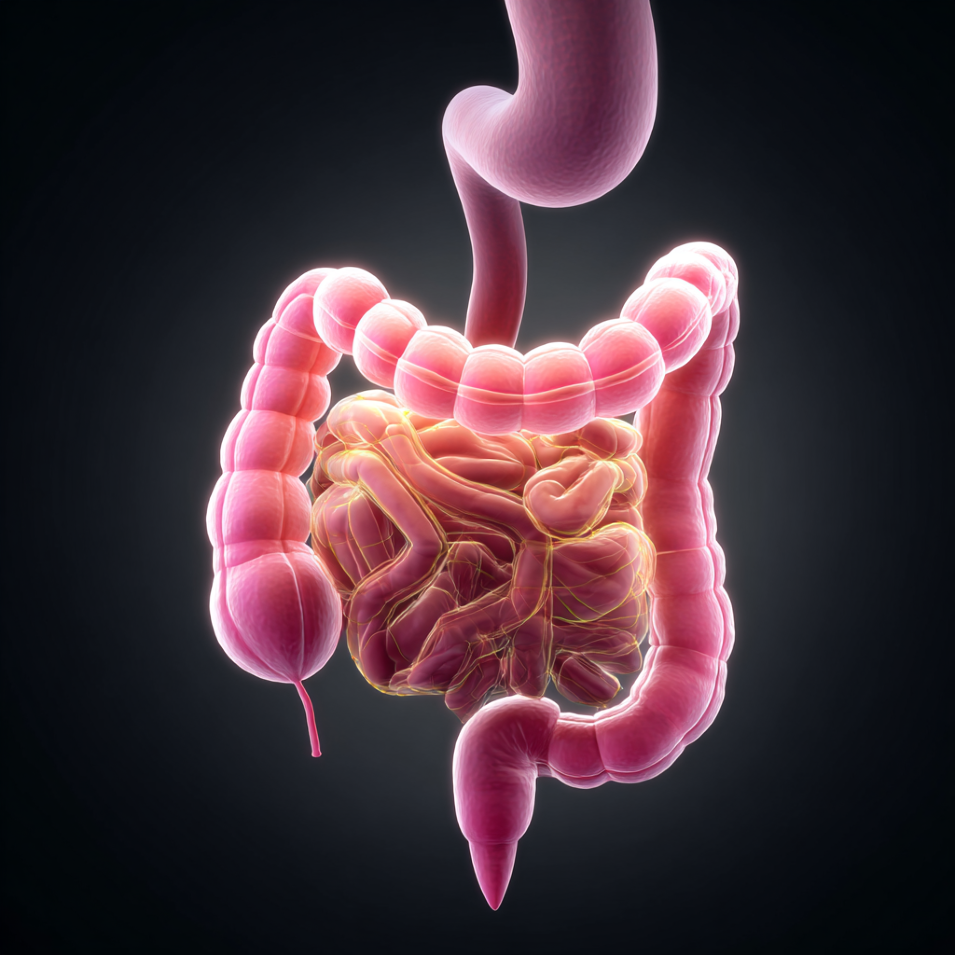
Your digestive system is one of the hardest-working parts of your body. It’s responsible for breaking down food, absorbing nutrients, and flushing out what you don’t need. But when things go sideways, your gut usually lets you know—with bloating, cramps, constipation, or that infamous “why did I eat that?” regret.
💡 Fun fact: Your gut is often called your “second brain” because of the enteric nervous system—a network of over 100 million nerve cells that line your digestive tract. No wonder it’s so sensitive to stress, diet, and daily habits!
I learned this the hard way. When I was 23, I was finally diagnosed with Celiac disease after years of unexplained stomach cramps, brain fog, and other not-so-fun symptoms. It was a total game changer—especially when I realized how many everyday foods were silently triggering me. My husband, on the other hand, deals with IBS, so gut health is basically a household topic around here. 🙃
What Causes Digestive Symptoms?
The root of most digestive issues comes down to imbalances in the gut—either from inflammation, food intolerances, dehydration, stress, or poor eating habits. Here are some of the common triggers:
- Food intolerances (like gluten, dairy, soy)
- Poor hydration or not enough fiber
- Eating too fast or skipping meals
- Stress and anxiety, which can tighten gut muscles
- Underlying conditions like IBS, Celiac, or dyspepsia
Symptoms can range from occasional discomfort to daily disruptions. But the good news is that most gut health issues can be improved (or even reversed!) with the right natural strategies—many of which you’ll find in the next sections.
Because when your gut feels better, everything feels better. 💪
✍️ Section 3: Common Causes of Digestive Discomfort
Common Causes of Digestive Discomfort
Digestive discomfort isn’t always about what you just ate—it’s often the result of patterns over time. From hidden food intolerances to daily stress, your gut can react in big ways to seemingly small triggers.
Here are some of the most common culprits behind digestive issues:
🍕 1. Food Intolerances & Sensitivities
If certain foods always leave you bloated, crampy, or running to the bathroom, your body might be telling you something. Lactose, gluten, soy, and even high-FODMAP foods like onions or garlic can be common triggers—especially for people with Celiac disease, IBS, or other gut sensitivities.
Personal tip: Gluten was the hidden enemy for years in my case. I thought stomach pain was “just normal” until my Celiac diagnosis changed everything.
🧂 2. Poor Diet Choices
High-fat, greasy, and ultra-processed foods can slow digestion and irritate the lining of your gut. Add in excess caffeine or alcohol, and you’re looking at a perfect storm for acid reflux, indigestion, or worse.
💧 3. Dehydration
Water is the magic ingredient your digestive system needs to keep things moving. Without it, things slow down—often leading to constipation and general sluggishness in your gut.
😰 4. Stress & Anxiety
Ever felt butterflies before a big meeting—or suddenly lost your appetite after bad news? That’s the gut-brain connection at work. Chronic stress can mess with muscle contractions in the GI tract, triggering IBS symptoms, bloating, or discomfort.
💤 5. Lifestyle Habits
Skipping meals, eating too quickly, or eating late at night throws off your digestion. When your body doesn’t have a routine, your digestive enzymes can’t keep up—and the result is often unpleasant.

Symptoms to Watch Out For
A little bloating or mild indigestion now and then is normal—but persistent or worsening digestive symptoms can signal a deeper problem. Knowing when to monitor and when to get help can save you from months (or years) of unnecessary discomfort.
🚩 Common Digestive Red Flags
-
Frequent bloating or gas – especially after eating common trigger foods like dairy or high-FODMAP vegetables.
Learn more about high-FODMAP foods and IBS)
-
Ongoing abdominal pain or cramping – may be linked to IBS, Celiac disease, or other gastrointestinal issues.
Read more on IBS symptoms from Mayo Clinic)
-
Chronic diarrhea or constipation – persistent changes in bowel habits can point to food intolerances, dehydration, or infections.
-
Acid reflux or heartburn – occasional episodes are common, but frequent flare-ups may need medical attention.
(More from Johns Hopkins on acid reflux)
-
Unexplained weight loss – losing weight without trying can be a red flag for underlying health problems.
-
Blood in stool or vomit – always warrants an immediate trip to your healthcare provider.
💬 From my own experience: Before my Celiac diagnosis, I dismissed years of bloating, fatigue, and stomach cramps as “just stress” or “eating too fast.” My husband did the same with his IBS until flare-ups got too disruptive. If we’d recognized the signs earlier, we could have saved ourselves a lot of painful (and expensive) trial and error.
Lifestyle Changes for Better Digestion
Improving your digestion isn’t always about cutting foods out—it’s often about adding in small, consistent habits that support your gut every single day. These tweaks don’t just ease symptoms like bloating or constipation; they can also help prevent flare-ups from conditions like IBS or acid reflux.
🏃♀️ 1. Stay Active to Keep Things Moving
Movement helps food travel through your digestive tract more efficiently. Even a 10–15 minute walk after meals can reduce bloating and improve regularity.
Bonus: Gentle activities like yoga or stretching can also relax your gut muscles, reducing cramps.(See Harvard Health’s guide on exercise and digestion).
💧 2. Hydrate Consistently
Water is essential for breaking down food and moving waste through the intestines. Aim for at least 8 cups a day, and add herbal teas like peppermint or chamomile for extra digestive benefits.
(Learn more about hydration and digestive health from Johns Hopkins).
🍽 3. Eat at Regular Times
Your digestive system loves routine. Eating meals at consistent times helps regulate bowel movements and enzyme production, making digestion smoother.
When I finally started eating at set times instead of “whenever I remembered,” my IBS-related bloating dropped noticeably.
😌 4. Manage Stress Daily
Chronic stress can disrupt the gut-brain connection, slowing digestion or triggering symptoms. Simple practices like deep breathing, meditation, or even quiet walks can make a big difference.
(Read about how stress affects digestion from Johns Hopkins).
🛏 5. Prioritize Rest
Poor sleep quality can throw off digestion, increase inflammation, and trigger gut imbalances. Try going to bed and waking up at the same time each day, even on weekends.
(See Cleveland Clinic’s tips on sleep and digestion).
💬 From my own journey: Once my Celiac was diagnosed, I didn’t just go gluten-free—I worked on all these small changes. Over time, they made just as big of an impact as removing my food triggers. My husband’s IBS flares also became more predictable (and manageable) when he stuck to this kind of routine.
Importance of Regular Mealtimes
Your gut thrives on rhythm. Eating at consistent times each day isn’t just about convenience—it actually helps your digestive system work more efficiently. When you maintain a steady meal schedule, your body learns to anticipate food, releasing digestive enzymes right on cue and keeping bowel movements more regular.
Why Timing Matters
Regulates digestion – Consistent mealtimes help prevent bloating, constipation, and acid reflux by giving your body a predictable schedule for breaking down food.
Balances hunger hormones – Eating at random times can throw off ghrelin and leptin, leading to overeating or late-night snacking.
Supports gut motility – Your GI tract likes predictability; skipping meals or eating erratically can slow things down.
(Learn more from Harvard Health on healthy eating patterns).
💬 From my own experience:
When I first got diagnosed with Celiac disease, I thought going gluten-free was enough. But I was still eating on a chaotic schedule—skipping breakfast some days, having a late lunch, then grazing through dinner. Once I committed to three balanced meals at set times, my bloating decreased, my energy improved, and my digestion became way more predictable. My husband noticed his IBS flares happened less often, too.
Simple Tips to Keep Mealtimes Regular
Set reminders on your phone or calendar for breakfast, lunch, and dinner.
Eat before you’re starving to avoid overeating.
Plan light snacks (like a banana, yogurt, or handful of nuts) if your next meal is more than 4 hours away.
Avoid eating heavy meals right before bed—it can disrupt both digestion and sleep.
Pro Tip: Don’t Eat After 8PM. Your stomach needs time to digest.
Managing Stress and Its Impact on Digestion
If you’ve ever had “butterflies” before a big event or lost your appetite during a stressful week, you’ve experienced the gut-brain connection in action. Your digestive system is closely linked to your nervous system, meaning stress doesn’t just affect your mood—it can disrupt the way your body processes food.
When you’re under stress, your body activates the fight-or-flight response. Blood flow shifts away from the gut toward your muscles and heart, digestive enzymes slow down, and muscle contractions in your GI tract can become irregular. For some, this means constipation. For others, it triggers diarrhea, cramping, or painful bloating.
(Read more about the brain-gut connection from Johns Hopkins Medicine).
How Stress Impacts Digestive Health
Increased gut sensitivity – You may feel bloating or pain more intensely.
Changes in motility – Stress can speed up or slow down how quickly food moves through the intestines.
Microbiome imbalance – Chronic stress can reduce the diversity of gut bacteria, affecting digestion and immunity.
IBS flare-ups – Stress is a known trigger for irritable bowel syndrome symptoms.
💬 From my own life:
When my husband’s IBS flares, we can almost always connect it back to a stressful work week or a big life event. I’ve also noticed my own digestion suffers when I’m juggling too much—even if my diet is on point. Stress management has become just as important for our gut health as the food we eat.
Simple Stress-Reduction Habits for Better Digestion
Deep breathing before meals – Signals your body to shift into “rest-and-digest” mode.
Gentle daily movement – Walking, stretching, or yoga helps release muscle tension in the gut.
Mindful eating – Sit down, eat slowly, and avoid multitasking during meals.
Creative downtime – Journaling, reading, or listening to music can lower stress hormones.
(Explore stress management techniques from the American Psychological Association).
Check out My Article On Healthy Eating Tips for Working Adults
10 Simple Natural Remedies for Digestive Issues
Natural remedies can ease bloating, cramps, and indigestion while also supporting your long-term gut health. Here’s a closer look at 10 science-backed, easy-to-try options that you can incorporate into your daily routine.

- 🫖 1. Stay Hydrated with Water and Herbal Teas
Water is essential for healthy digestion—it helps break down food, absorb nutrients, and keep things moving in the intestines. Without enough fluids, constipation and bloating become more likely.
Best picks for digestive support: chamomile tea (reduces inflammation and soothes the stomach), peppermint tea (relieves cramps and bloating).
(More from Johns Hopkins on hydration and health).
💬 Personal tip: On days my stomach feels unsettled, I swap coffee for peppermint tea in the morning—it makes a noticeable difference in bloating by midday.
🌿 2. Use Ginger for Nausea and Stomach Upset
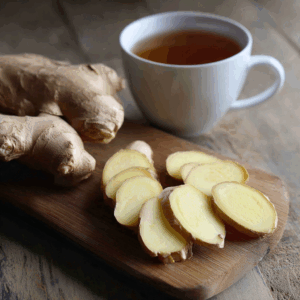
Ginger contains natural compounds like gingerol and shogaol, which help relax the digestive tract and reduce inflammation. It’s one of the oldest and most trusted remedies for nausea, motion sickness, and mild indigestion.
Try fresh ginger tea, chew a thin slice of raw ginger, or add it to smoothies.
(See Cleveland Clinic’s guide to ginger and digestion).💬 Personal tip: I keep candied ginger in my pantry—it’s a lifesaver on road trips when motion sickness strikes.
🍌 3. Follow the BRAT Diet for Acute Stomach Issues
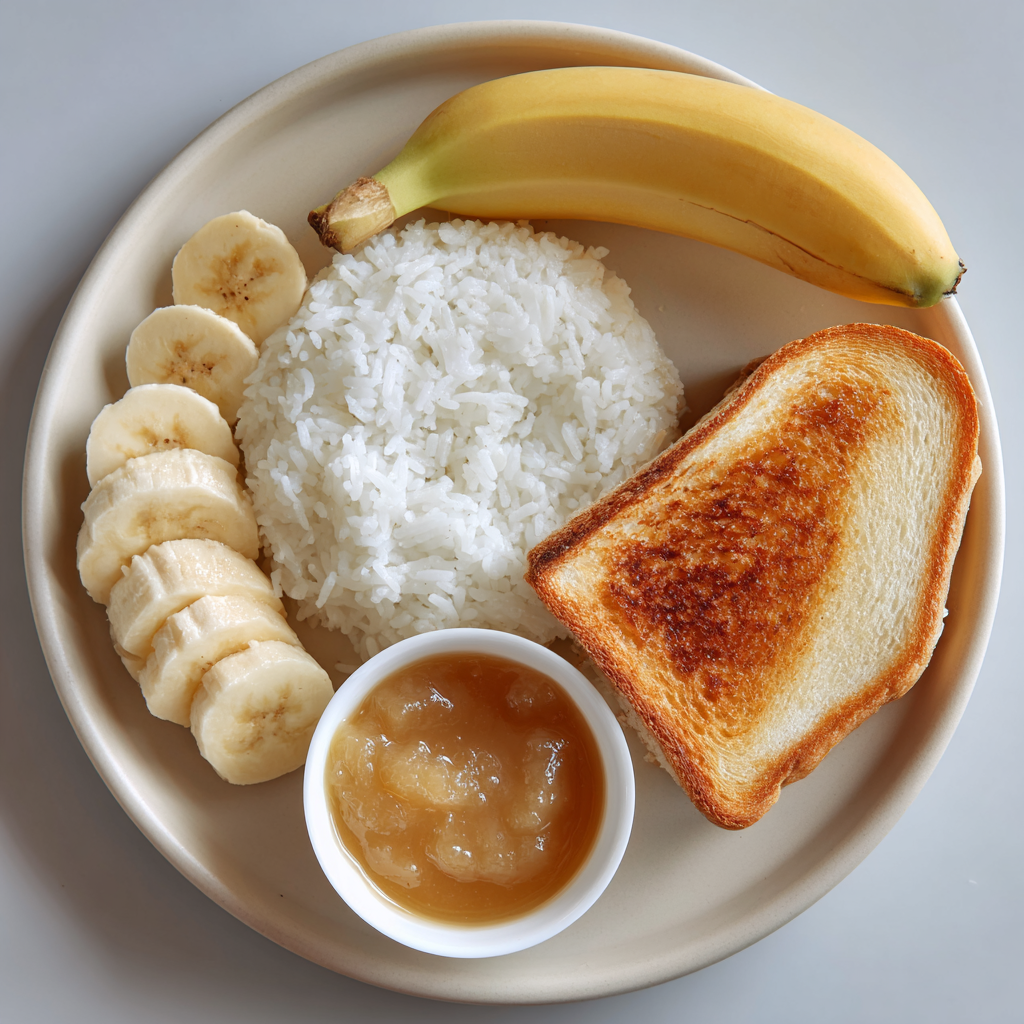
The BRAT diet (Bananas, Rice, Applesauce, Toast) is gentle on the stomach and ideal during short-term bouts of diarrhea or nausea. These low-fiber, bland foods help firm up stools and prevent further irritation.
- Bananas: replenish potassium lost through diarrhea.
- Rice: adds bulk to stools.
- Applesauce: provides pectin for digestive health.
- Toast: gives quick, easy-to-digest energy.
(More from Medical News Today on the BRAT diet).
💬 Personal tip: When my husband’s IBS flares, a 24-hour BRAT diet followed by gradual reintroduction of fiber works wonders for him.
🌱 4. Sip Peppermint or Other Mint Teas for Digestive Relief
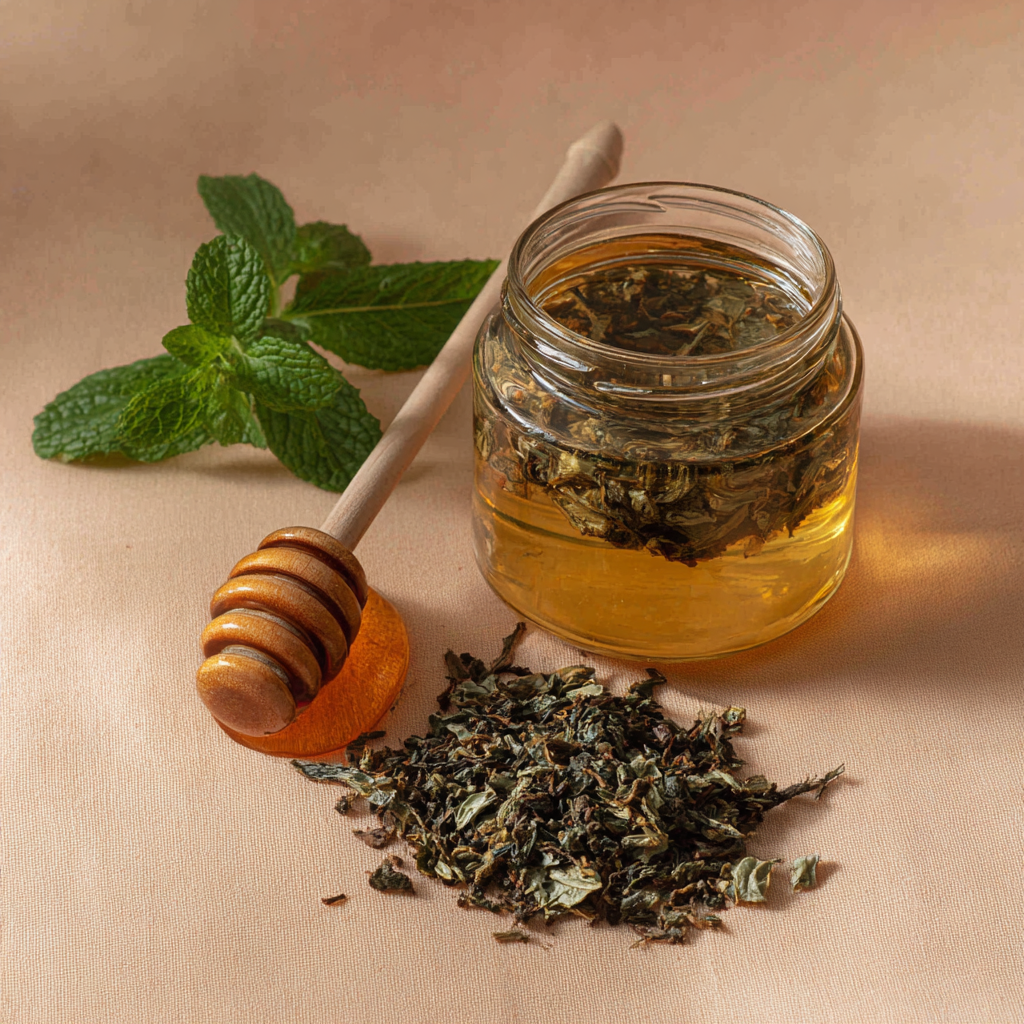
Peppermint tea can relax the muscles in your digestive tract, helping reduce cramps, spasms, and bloating. The menthol in peppermint also stimulates bile flow, which can improve fat digestion.
Great for IBS-related discomfort and post-meal heaviness.
(Read Mayo Clinic’s overview on peppermint and IBS).
💬 Personal tip: I keep peppermint tea bags in my purse—handy for travel when restaurant meals can be unpredictable.
🥛 5. Add Probiotics and Fermented Foods to Your Diet
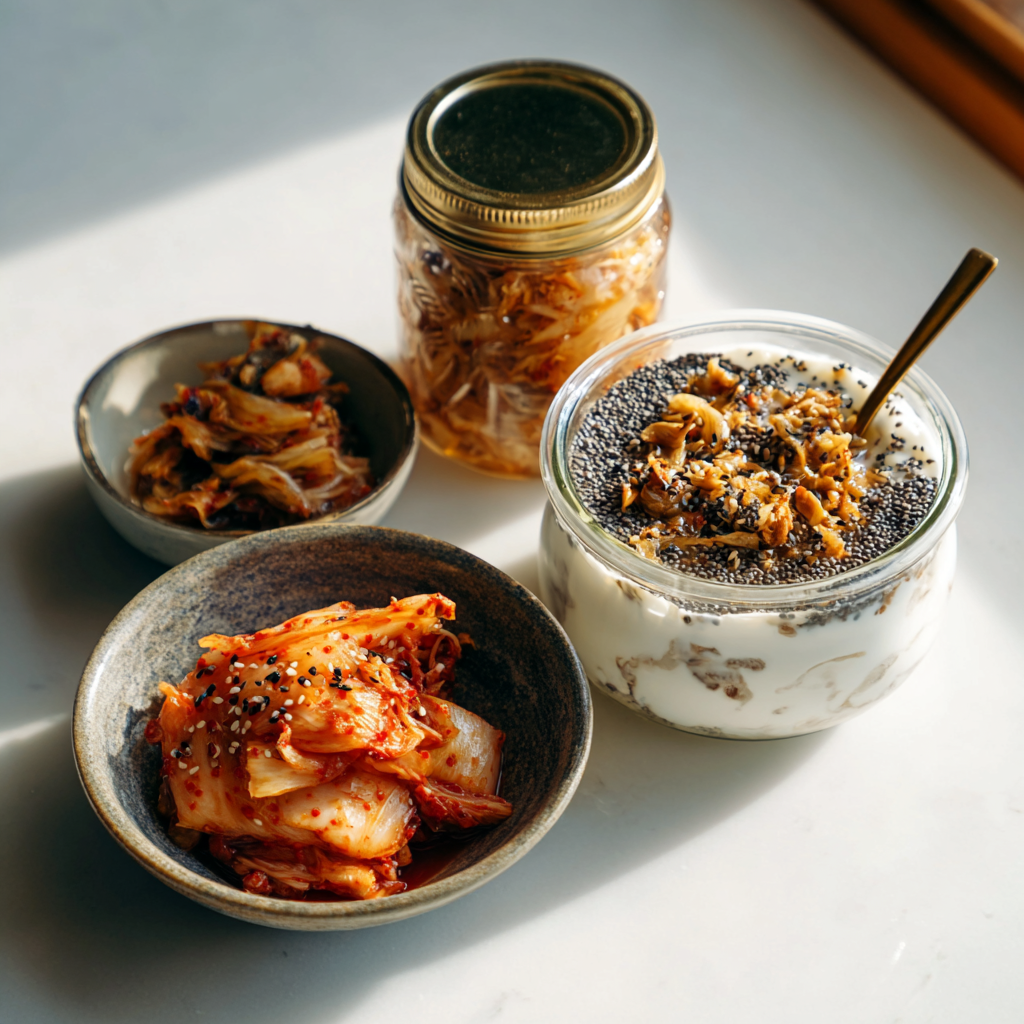
Probiotics are “good” bacteria that help balance your gut microbiome, aiding digestion and nutrient absorption. Fermented foods like yogurt, kefir, kimchi, and sauerkraut are natural sources of probiotics.
Can help with diarrhea, IBS symptoms, and overall gut health.
(See Cleveland Clinic’s guide to probiotics).
💬 Personal tip: I combine plain Greek yogurt with chia seeds (a prebiotic) for a quick breakfast that supports my digestion all day.
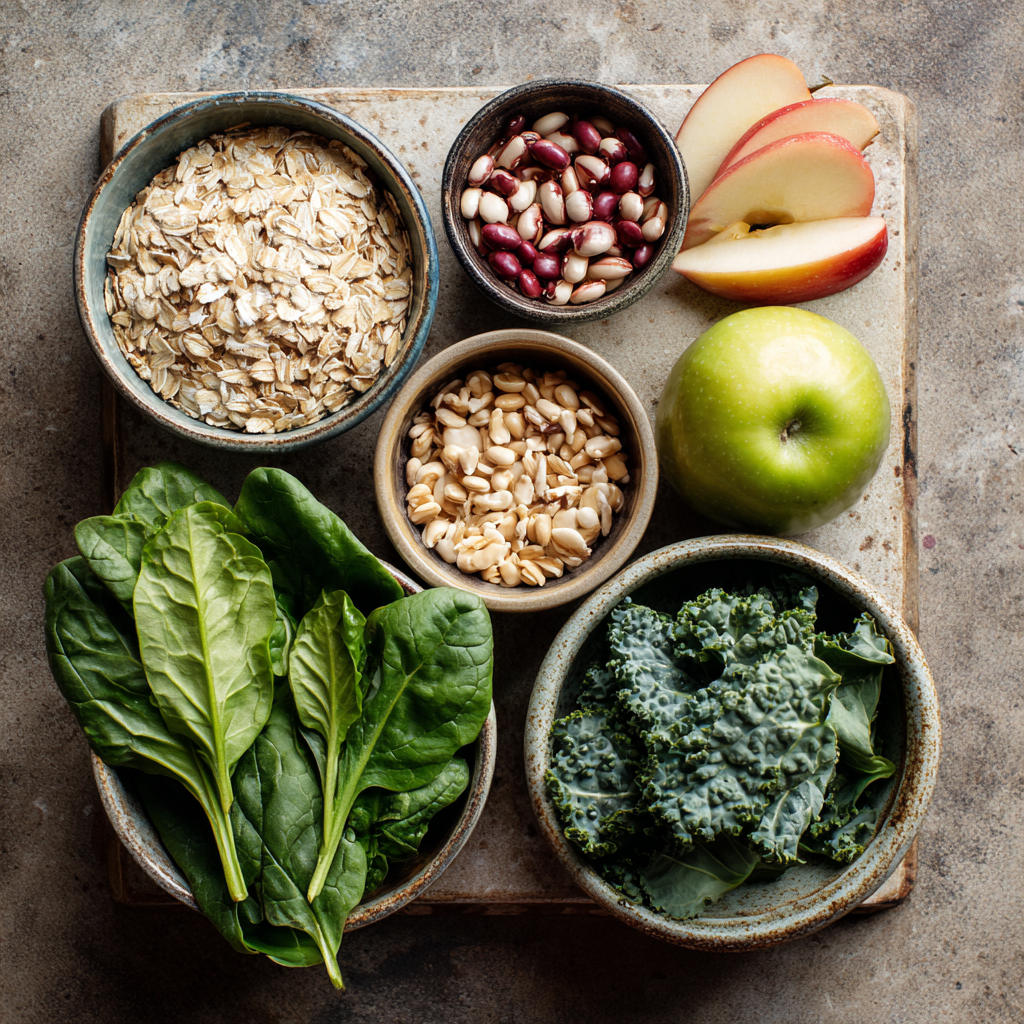
🌾 6. Increase Fiber Intake Gradually
Fiber adds bulk to your stool and helps prevent constipation, but adding too much too quickly can cause gas and bloating.
Focus on soluble fiber (oats, apples, beans) and insoluble fiber (leafy greens, whole grains).
(Learn more from Harvard Health on fiber types).
💬 Personal tip: I keep a food journal to track which fiber-rich foods make me feel best—because not all fiber sources agree with everyone.
🧘♀️ 7. Incorporate Gentle Exercise and Movement

Regular movement stimulates your digestive tract and helps prevent constipation. Low-impact activities like walking, stretching, or yoga can be especially helpful.
Certain yoga poses, like “knees-to-chest,” can ease gas and bloating.
(Read Johns Hopkins on exercise and digestion).
💬 Personal tip: A 15-minute walk after dinner has become a nightly ritual for me—it helps with digestion and clears my head before bed.
🔥 8. Use a Warm Compress or Heating Pad for Abdominal Comfort

Heat relaxes the muscles in your abdomen, reducing cramps and discomfort from IBS, menstrual cramps, or general digestive distress.
Ideal temperature: 104°F–113°F for maximum relief.
(See Cleveland Clinic’s tips on heat therapy).💬 Personal tip: On bad days, I’ll curl up with a heating pad and a mug of ginger tea—instant comfort combo.
🚫 9. Avoid Trigger Foods and Irritants

Some foods are more likely to cause irritation, especially for people with IBS, reflux, or food sensitivities. Common culprits include:
- Spicy foods
- Fatty or fried foods
- Citrus fruits
- Artificial sweeteners
(See Monash University’s list of high-FODMAP foods).
💬 Personal tip: Once I learned my triggers (gluten for me, dairy for my husband), meal planning became so much easier—and flare-ups less frequent.
🥔 10. Add Resistant Starch for a Healthier Gut

Resistant starch feeds beneficial gut bacteria and helps produce short-chain fatty acids that support colon health. You’ll find it in cooled cooked potatoes, green bananas, lentils, and oats.
May improve blood sugar control and reduce inflammation in the gut.
(Learn more from University Hospitals on resistant starch).
💬 Personal tip: I cook extra potatoes at dinner, refrigerate them overnight, and use them for lunch the next day—gut-friendly and meal-prep friendly.
🏁 Conclusion: Your Gut, Your Health, Your Power
Taking care of your digestive system isn’t just about avoiding discomfort—it’s about improving your overall health, energy, and quality of life. Whether you’re sipping ginger tea, walking after dinner, or adding more probiotics to your meals, every small change adds up to big benefits over time.
From my own journey with Celiac disease (and my husband’s with IBS), I know how frustrating digestive problems can be. But I also know that natural remedies for digestive issues can make a real difference when you combine them with consistent habits and a little self-awareness.
Start small, listen to your body, and make adjustments that work for you. And remember: persistent or severe symptoms deserve professional guidance.
If you’re ready to take the next step, try keeping a gut health journal for the next two weeks to track triggers, symptoms, and what’s working for you. You might be surprised at what you learn.
❓ Frequently Asked Questions
1. What foods help settle an upset stomach naturally?
Bananas, rice, applesauce, and toast (the BRAT diet) are gentle on the stomach. Ginger tea can reduce nausea, while peppermint tea may ease cramps and bloating.
(More from Medical News Today on the BRAT diet).
2. How quickly do natural remedies work for digestive issues?
It depends on the remedy and the cause. Ginger tea or peppermint oil may help within 30 minutes, while dietary changes (like adding probiotics) may take a few weeks to show full results.
(See Cleveland Clinic on probiotics).
3. Are there any risks associated with home remedies?
Most are safe when used appropriately, but some can interact with medications or medical conditions. For example, peppermint oil capsules can worsen reflux for some people. Always check with your healthcare provider before starting supplements.
(Read NIH’s safety guide on herbal supplements).
4. When should I see a doctor for digestive problems?
If you experience severe or persistent abdominal pain, unexplained weight loss, vomiting, blood in stool, or symptoms that worsen over time, seek medical attention promptly.
(See Mayo Clinic’s digestive health red flags).
5. Can children use these natural remedies safely?
Some remedies, like the BRAT diet or mild herbal teas, are generally safe for children, but always consult a pediatrician before introducing new supplements or herbs. Kids’ digestive systems can be more sensitive than adults’.
(Read American Academy of Pediatrics guidance).