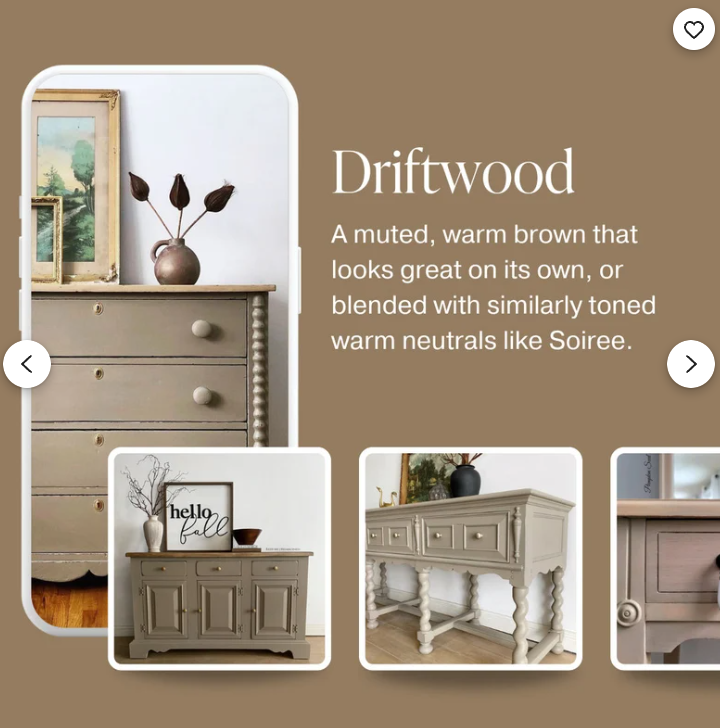

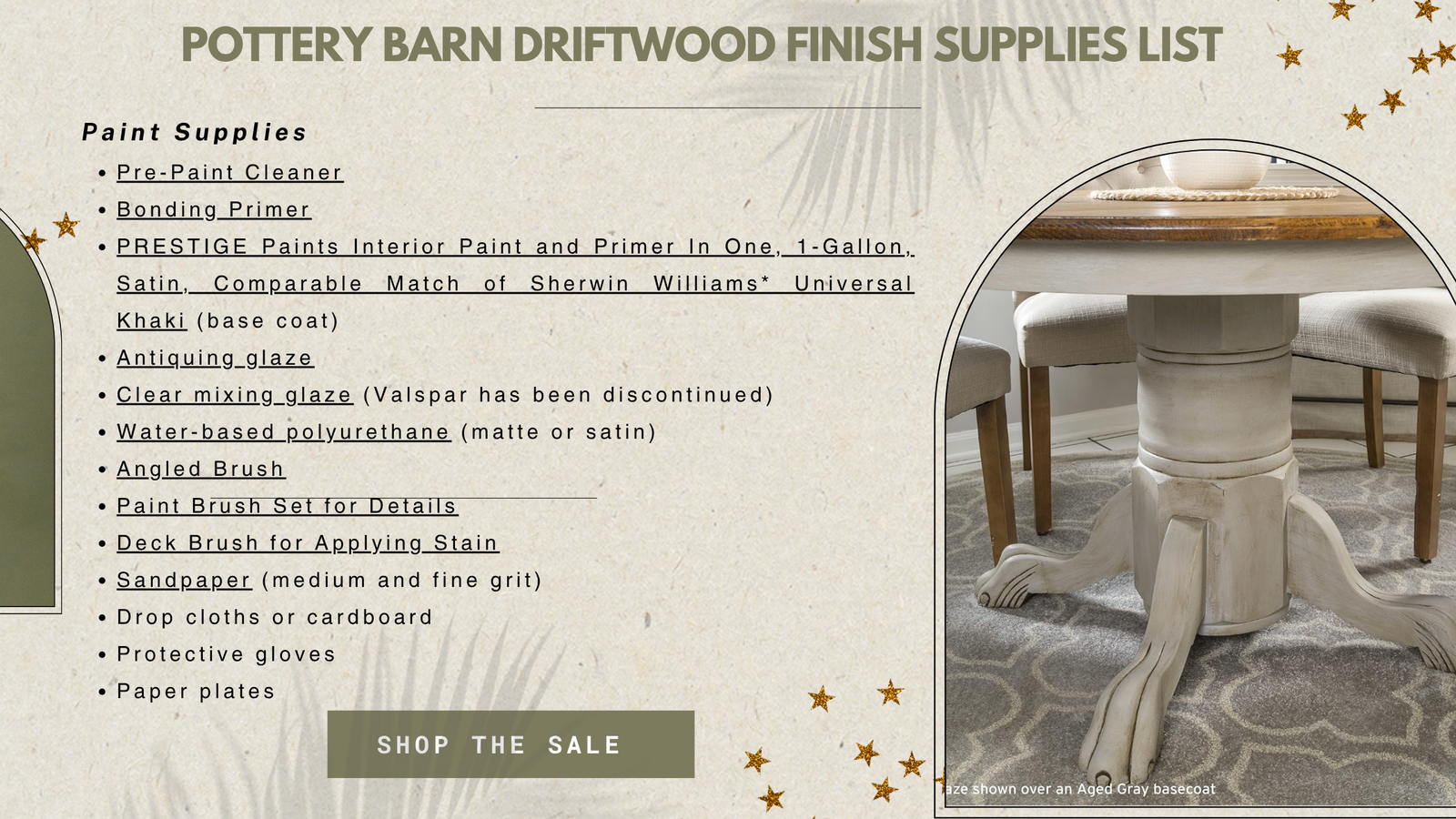


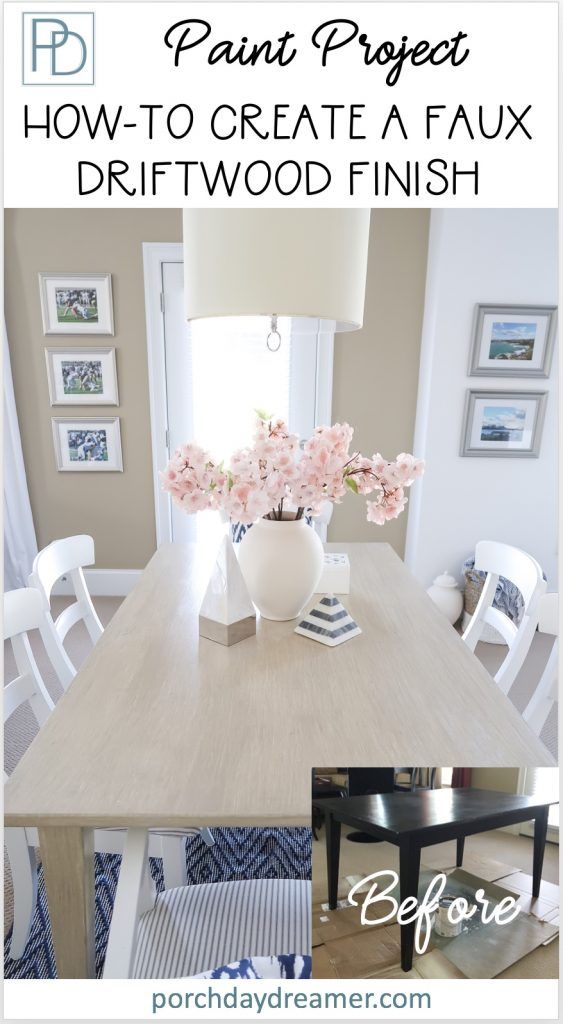


Incorporating the Pottery Barn driftwood finish DIY can transform your space with a touch of elegance and warmth.
The Pottery Barn driftwood finish DIY is a popular choice for home decor enthusiasts looking to recreate a coastal vibe.
This guide will walk you through the Pottery Barn driftwood finish DIY process step by step.
Walk into any Pottery Barn store and you’ll immediately notice that soft, weathered wood tone that feels equal parts coastal and timeless. That’s the driftwood finish—a muted, slightly gray-washed wood look that feels like it’s been naturally aged by salt, sun, and time. It’s relaxed without looking sloppy, polished without feeling too formal. And honestly, that balance is exactly why people love it.
The driftwood aesthetic taps into something deeper than just design trends. It brings a sense of calm and natural beauty into a space, almost like bringing a piece of the beach indoors. Instead of bold stains or glossy finishes, it leans into subtle texture, layered tones, and soft imperfections. Those imperfections? They’re actually the goal.
What’s interesting is how versatile this finish is. It works just as well in a modern farmhouse as it does in a coastal or minimalist home. Whether it’s a coffee table, dresser, or shelving unit, that slightly washed-out wood tone blends effortlessly with neutral palettes, linen fabrics, and organic textures.
The catch? Authentic Pottery Barn furniture comes with a hefty price tag. That’s where DIY comes in—and the good news is, you can absolutely recreate this look at home with the right technique and a bit of patience.
When considering the Pottery Barn driftwood finish DIY, remember to focus on layering techniques for the best results.
With the right techniques, this Pottery Barn driftwood finish DIY can lead to stunning results without the cost of new furniture.
Let’s be real—spending hundreds (or thousands) on a single piece of furniture isn’t always practical. But beyond saving money, there’s something incredibly satisfying about transforming a basic or outdated piece into something that looks high-end.
DIY gives you control. You can tweak the tone—more gray, more beige, more weathered—until it perfectly matches your space. You’re not stuck with whatever shade the store offers. Plus, you can apply the same finish across multiple pieces, creating a cohesive look without breaking the bank.
Another advantage? Sustainability. Instead of tossing old furniture, you’re giving it a second life. That scratched-up dresser in your garage suddenly becomes a statement piece.
And here’s the thing most tutorials won’t tell you: the driftwood finish actually benefits from imperfection. You don’t need to be a professional painter. In fact, slight inconsistencies make the result more authentic.
So if you’ve been eyeing that Pottery Barn look but hesitating at the price tag, this guide is your shortcut to achieving the same aesthetic—on your terms.
Before you pick up a brush, it helps to really understand what you’re trying to recreate. The driftwood finish isn’t just “gray paint on wood”—it’s a layered effect that mimics natural weathering.
Think about real driftwood. It’s been exposed to water, sunlight, and sand for years. The result? A surface that’s uneven in tone, slightly textured, and soft in color. No harsh lines, no glossy shine—just a matte, worn-in look.
One of the defining features is color variation. You’ll often see hints of beige, gray, and even faint white tones blending together. This variation is what gives the finish depth and keeps it from looking flat or artificial.
Another key element is subtle grain visibility. Unlike thick paint finishes that completely cover the wood, driftwood allows the natural grain to peek through. That’s what makes it feel authentic rather than painted.
Texture also plays a role. While the surface should be smooth to the touch, visually it should have dimension—achieved through layering, brushing techniques, and sometimes light distressing.
The Pottery Barn driftwood finish DIY is all about achieving that perfect aged look.
For those embarking on the Pottery Barn driftwood finish DIY journey, understanding color tones is crucial.
Getting the color right is probably the trickiest part. Driftwood sits somewhere between gray and warm beige—often referred to as “greige.” Too gray, and it looks cold and lifeless. Too beige, and it loses that weathered effect.
A typical driftwood palette includes:
The magic happens when these tones are layered rather than mixed. Instead of blending everything into one color, you apply them in stages so each layer subtly shows through.
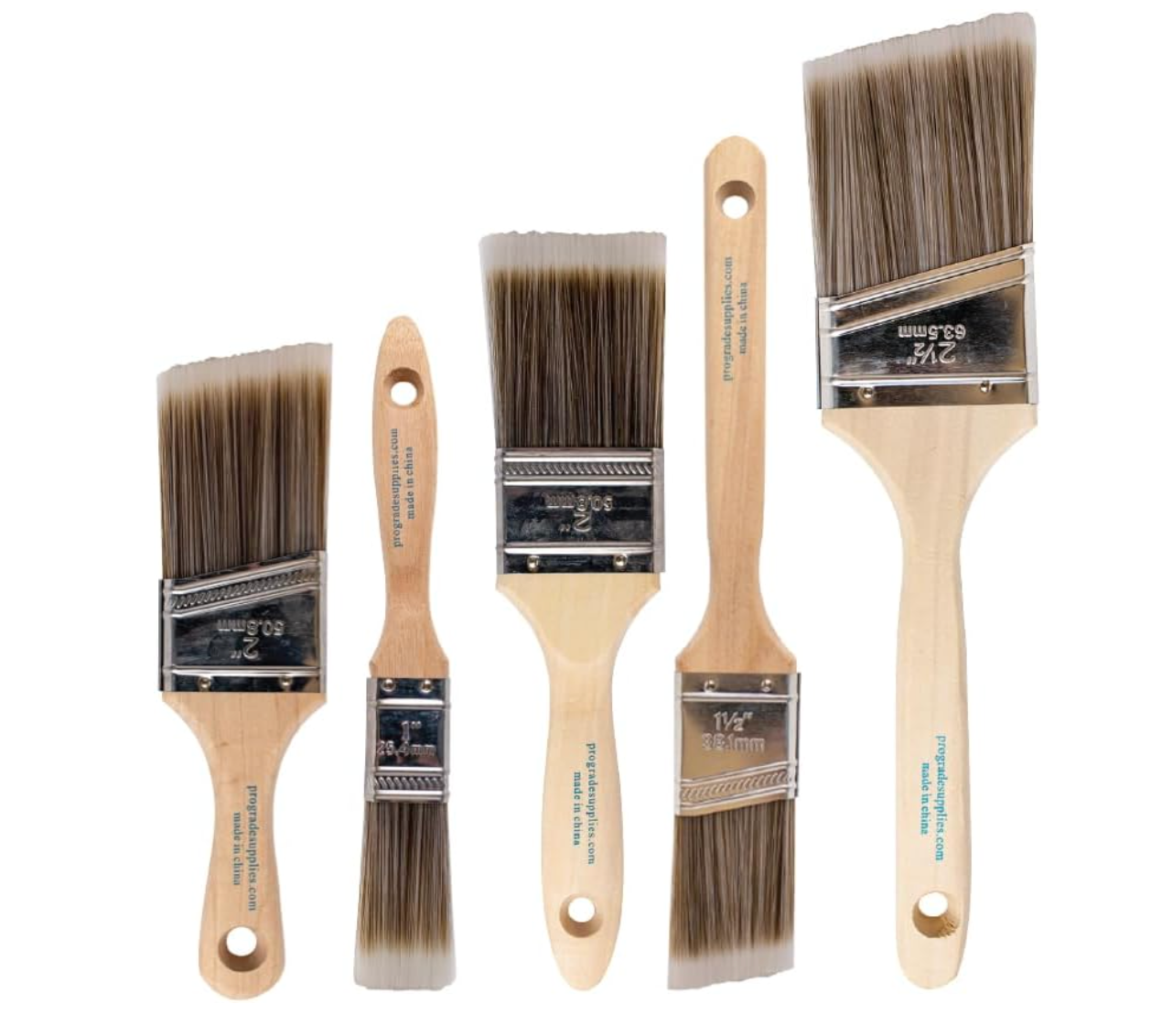
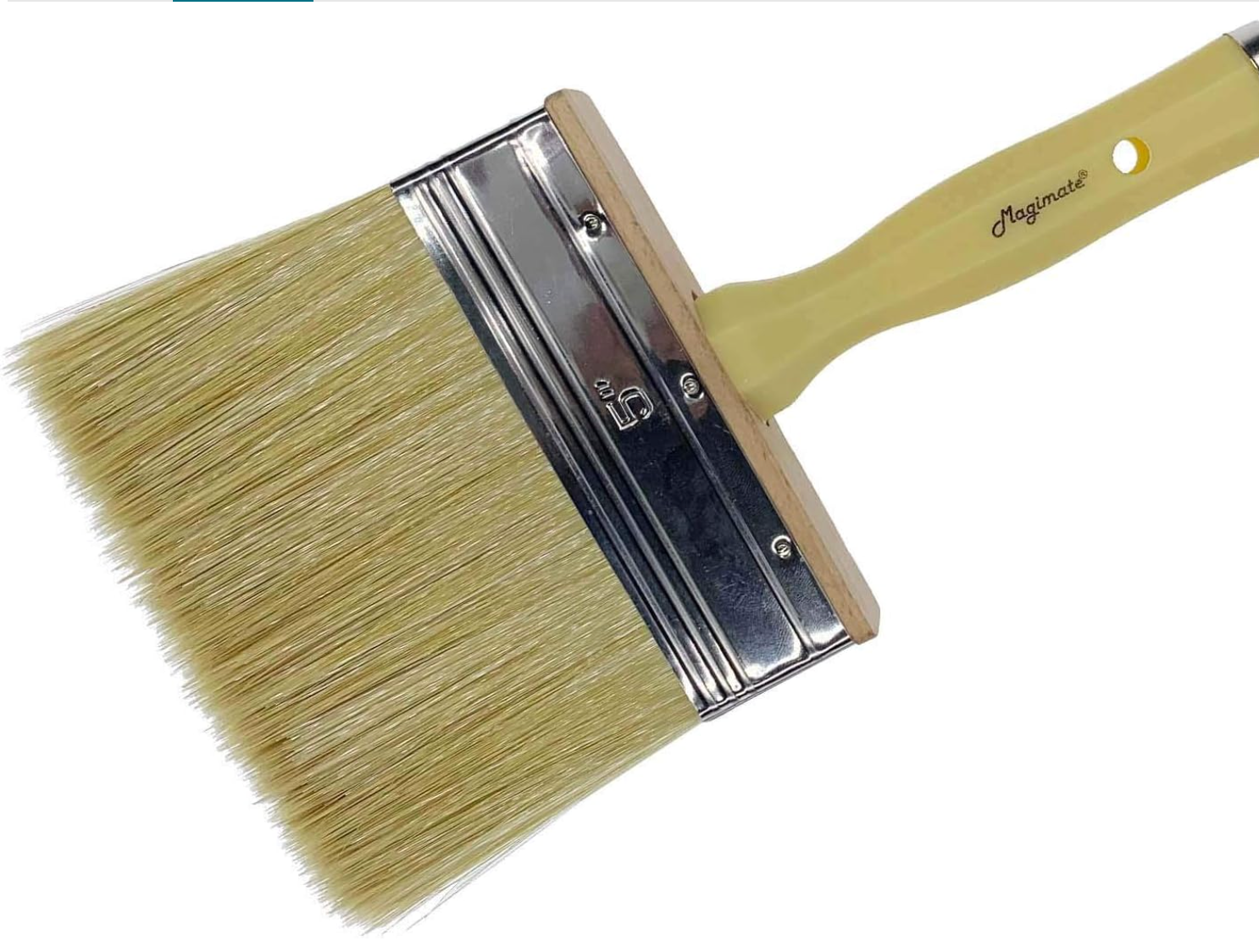
Texture is built through technique, not products alone. Using tools like a deck staining brush, angled brush, or even unconventional tools like a rubber grooming brush (yes, really) helps create those organic streaks and variations.
The goal isn’t perfection—it’s controlled randomness. You want it to look like nature did the work, not a perfectly even paint job.
These aren’t random picks—they’re specifically chosen to help replicate that layered, slightly weathered look.
If you want to take things up a notch, a few unconventional tools can make your finish look even more authentic.
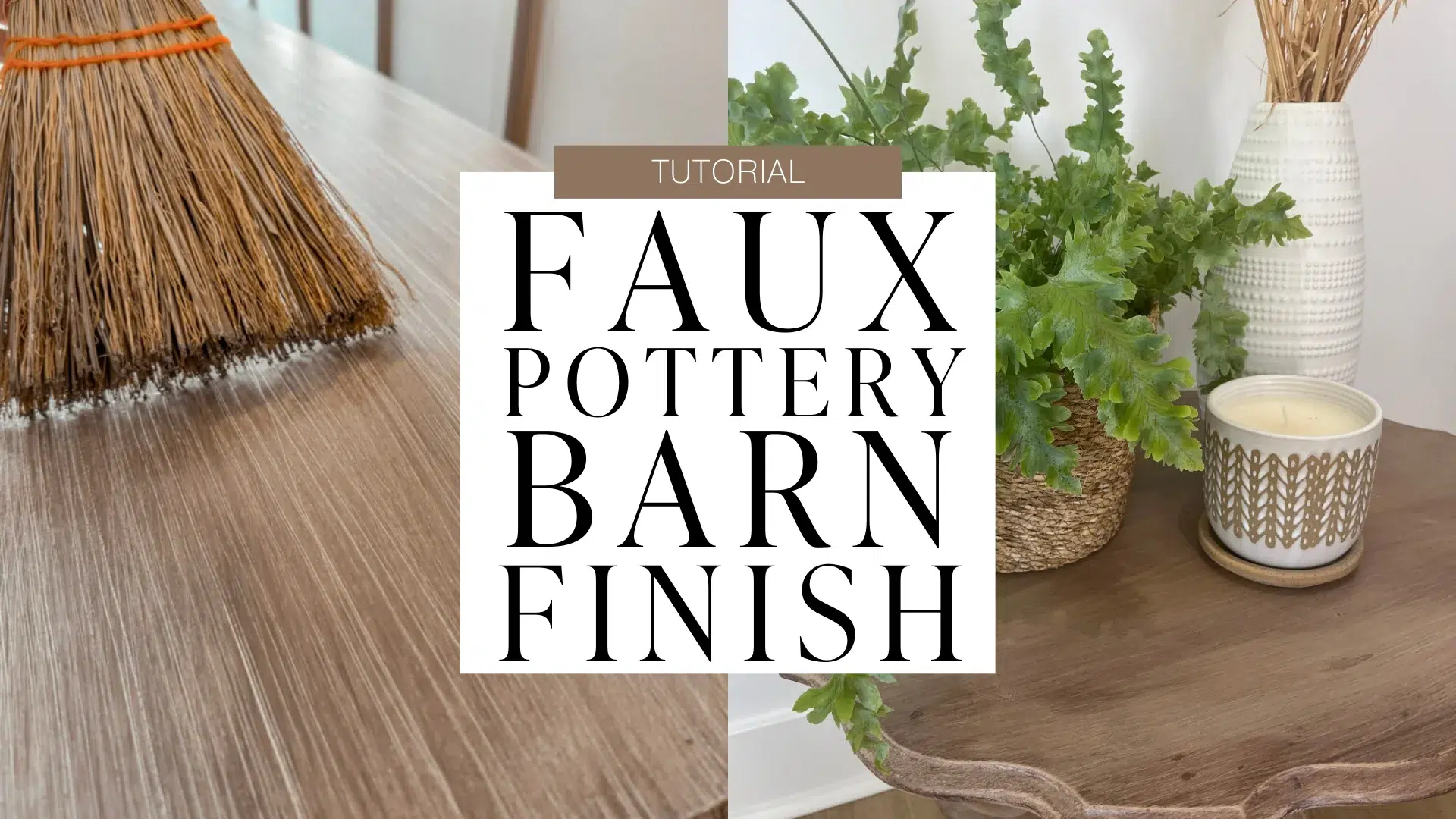
A rubber dog grooming brush can create subtle streaking effects that mimic natural grain weathering. It sounds odd, but it works surprisingly well. Similarly, a makeup brush can be used for soft blending, especially when working with glaze.
A crevice cleaning brush helps get into detailed areas without overloading them with paint. And a ShamWow cloth (or any lint-free cloth) is perfect for wiping back glaze to control intensity.
These tools aren’t mandatory, but they give you more control—and that control is what separates a decent DIY job from something that genuinely looks store-bought.
Getting the color right is where most DIY driftwood projects either shine or fall flat. The truth is, there isn’t just one “perfect” color—what you’re really aiming for is a layered blend of soft neutrals that mimic naturally aged wood. That said, starting with the right base paint makes everything else much easier.
One of the most reliable choices (and the one mentioned in your materials) is Benjamin Moore Advance Satin in “Bar Harbor Beige.” It sits beautifully in that sweet spot between gray and warm beige—often called greige. This tone gives you the flexibility to push your finish cooler or warmer depending on how you apply your glaze later.
If you want alternatives, look for shades described as:
The key is avoiding anything too dark or too yellow. Driftwood should feel sun-washed, not stained-heavy or artificially colored. When you brush your base coat on, it should already look close to what you want—just a bit too “perfect.” That’s intentional, because the glaze and layering steps will break it up and add realism.
Also, always go with a satin finish, not flat and not semi-gloss. Satin gives you just enough sheen to reflect light subtly, which helps mimic the natural variation of wood. Too matte, and it looks chalky. Too glossy, and it screams “painted.”
Sometimes off-the-shelf paint isn’t quite right—and that’s actually a good thing. Customizing your color slightly can make your piece look more authentic and less “cookie-cutter.”
A simple trick? Keep a small amount of white and gray paint on hand. If your base feels too warm, mix in a touch of gray. Too cool? Add a tiny bit of beige or white to soften it. You don’t need to overthink ratios—just adjust gradually and test on a scrap piece of wood or an inconspicuous area.
Another pro tip is to think in layers rather than a single mixed color. Instead of trying to create the perfect driftwood shade in one bucket, let your base coat + glaze + dry brushing do the work. This creates depth that a single flat color never could.
You can even dilute your paint slightly with water for certain layers to create a whitewash effect, allowing more of the wood grain (or previous layers) to show through. This technique is especially useful if your piece starts looking too solid or heavy.
At the end of the day, driftwood isn’t uniform—and your color shouldn’t be either. Slight inconsistencies are what make the finish believable.
This is your foundation, and like any good foundation, it determines how everything else performs. After prepping and sealing your surface (don’t skip that shellac step—it matters more than people think), apply your base coat evenly using a 2.5-inch angled brush.
Work in long, smooth strokes, following the direction of the wood grain. Even if your piece isn’t solid wood, mimicking grain direction helps sell the illusion. Don’t overload your brush—thin, even coats are better than thick ones that obscure detail.
Most pieces will need two coats for full coverage. Let each coat dry completely before moving on. At this stage, your furniture will look clean and polished—but also a bit flat and “new.” That’s exactly where you want to be.
Here’s where things start to get interesting. Dry brushing is what introduces subtle variation and prevents your piece from looking like it was dipped in a single color.
Take a small amount of a slightly lighter or darker tone (you can even use your base color adjusted slightly), and load just the tip of your brush. Then wipe most of it off onto a paper towel. What you’re left with is a barely-loaded brush that deposits color unevenly.
Lightly drag the brush across the surface, focusing on edges, corners, and natural “wear points.” This technique creates soft streaks and variations that mimic aged wood.
If you want to experiment, this is where tools like a deck staining brush or even a rubber grooming brush can add organic texture. The goal isn’t precision—it’s controlled randomness.
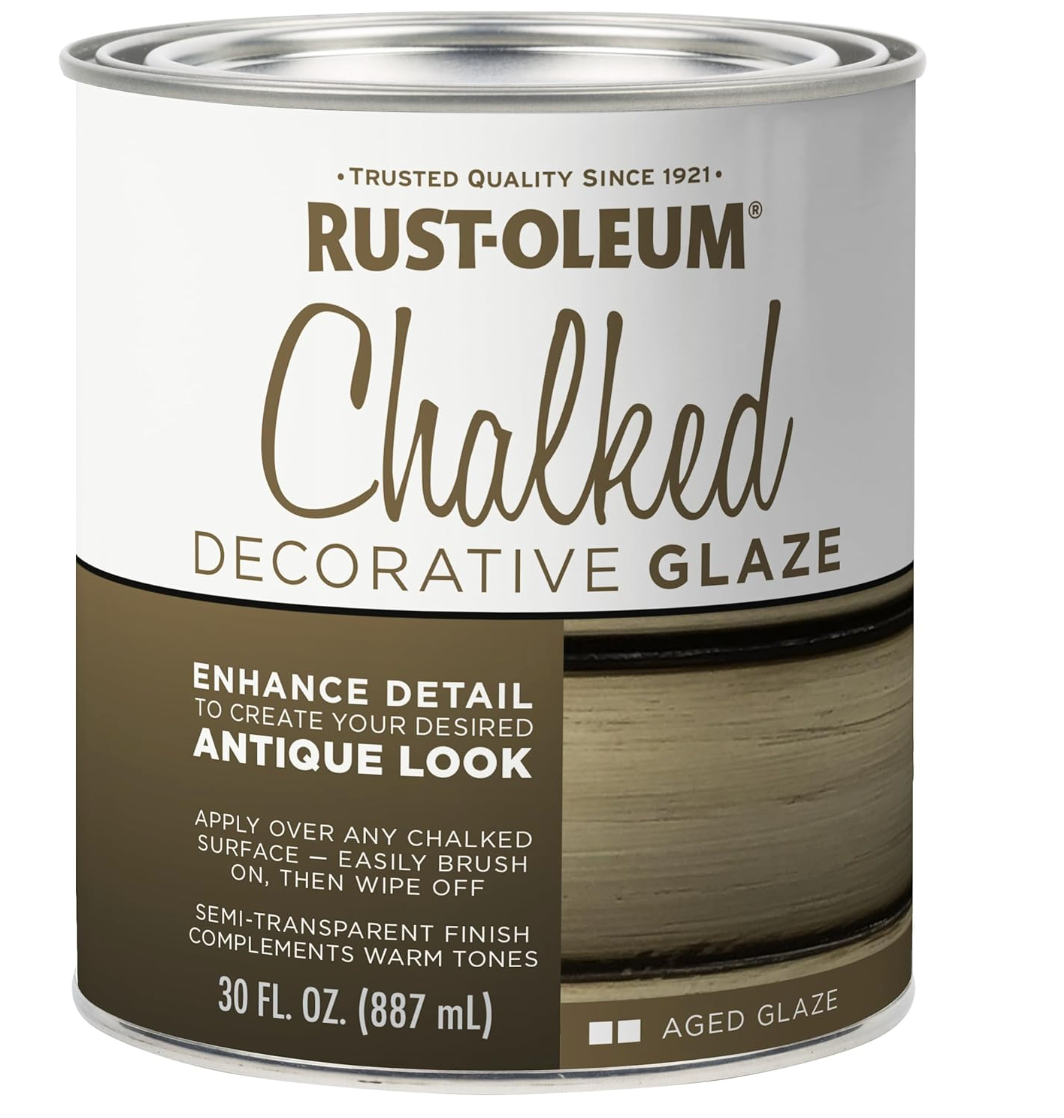
Glaze is the secret weapon. It’s what transforms your piece from “painted furniture” into something that actually resembles driftwood.
Using a product like Rust-Oleum Decorative Glaze, apply a thin layer over a small section at a time. Then, immediately wipe it back using a lint-free cloth (like a ShamWow). This pushes the glaze into crevices and leaves subtle shadows across the surface.
Less is more here. One of the biggest mistakes is overloading glaze, which can make the finish look muddy. Build it gradually—you can always add more, but removing excess is harder.
For extra realism, use different wiping techniques:
This step is where your piece really starts to come alive.
Distressing is optional—but highly recommended if you want that authentic, lived-in feel.
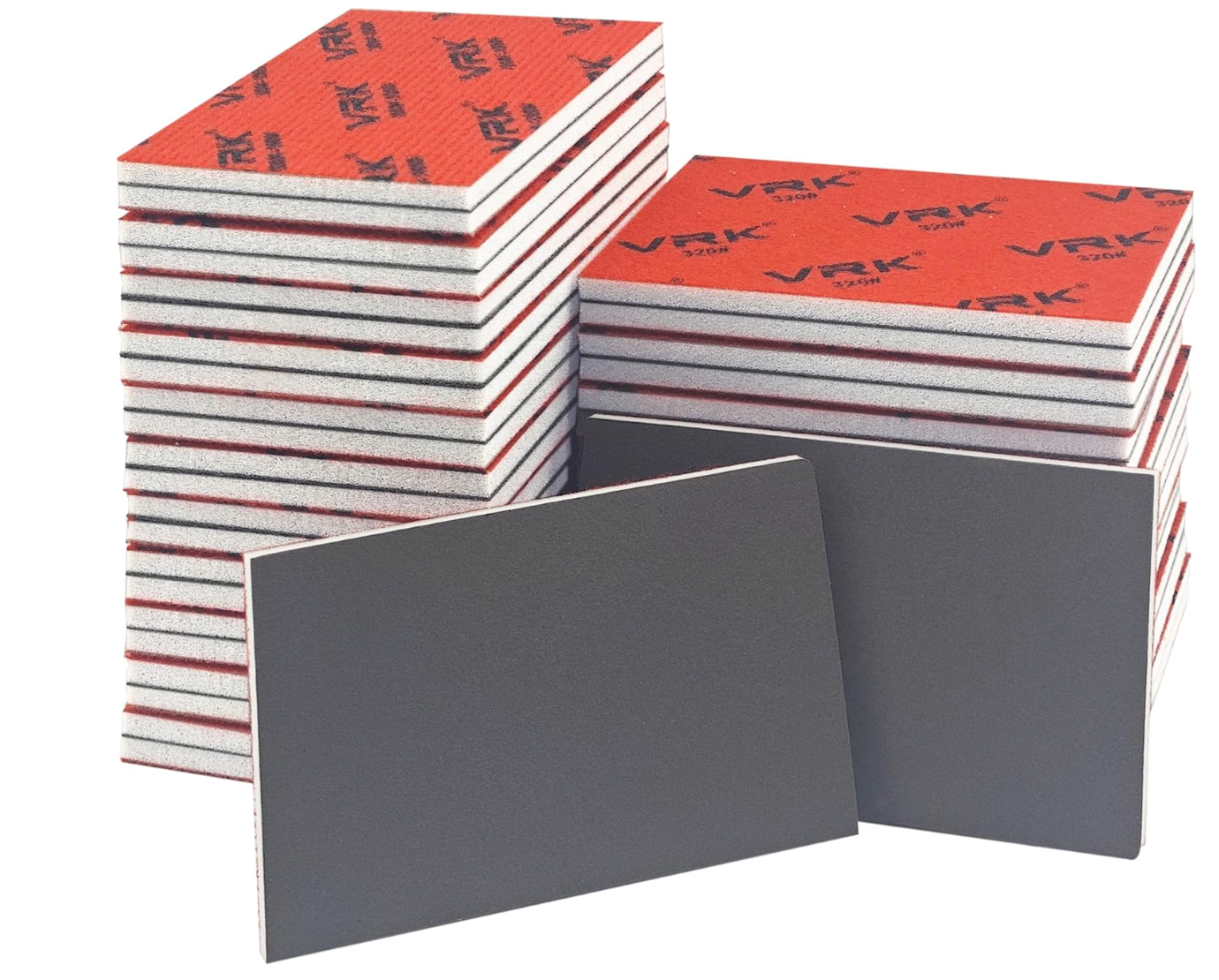
Focus on areas that would naturally wear over time: edges, corners, handles, and raised details. Use 220-grit sandpaper to gently remove small amounts of paint, revealing hints of the underlying layers.
The trick is restraint. Over-distressing can make your piece look rather than naturally aged. Think subtle, not dramatic.
Finally, sealing your Pottery Barn driftwood finish DIY will ensure longevity.
Once you’re happy with your finish, sealing it is non-negotiable. Without a protective layer, your hard work can easily get scuffed or stained.
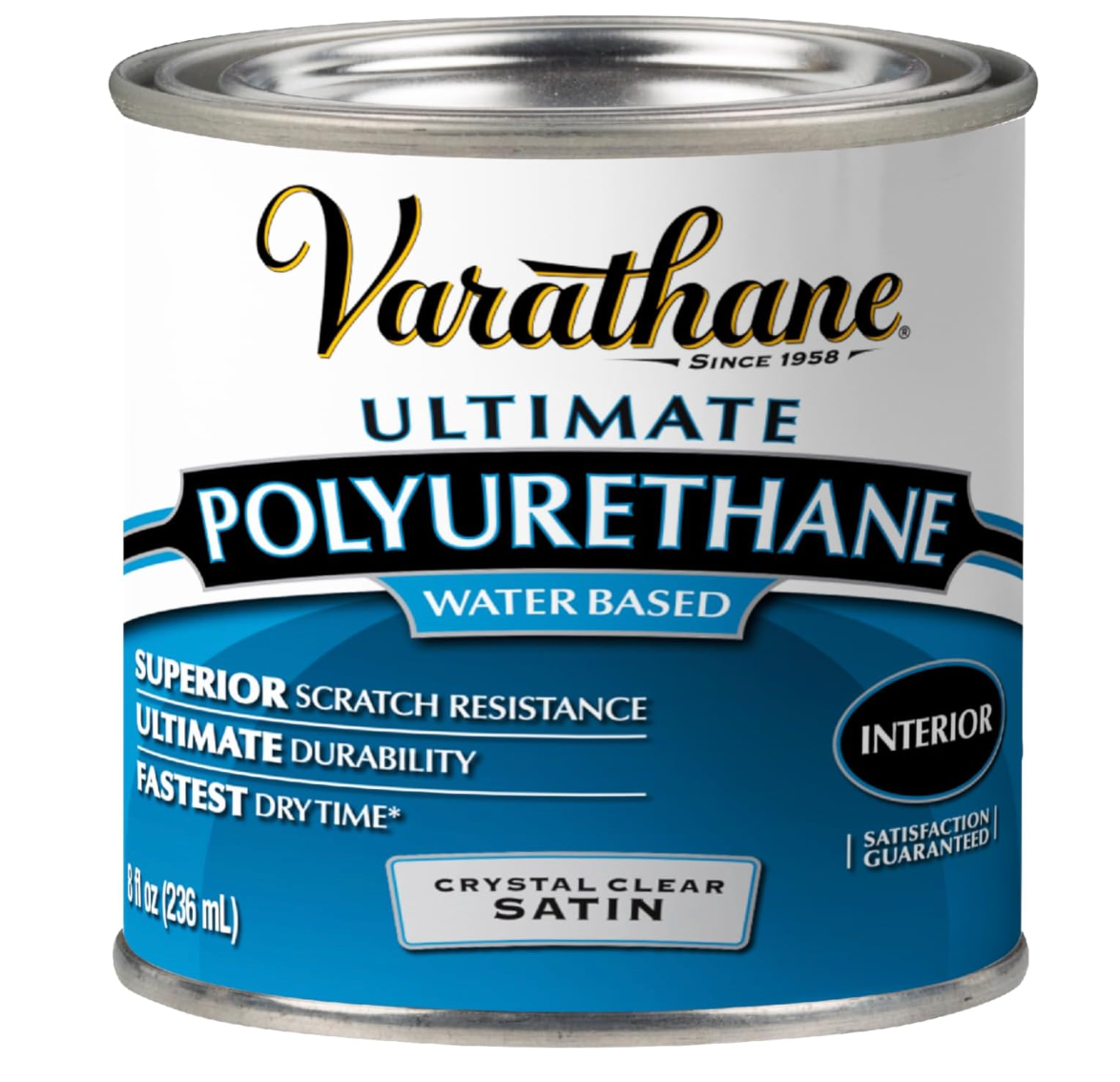
A water-based polyurethane in satin finish is your best bet. It protects without adding unwanted shine or yellowing over time. Matte can dull your layers too much, while gloss ruins the driftwood illusion.
Apply your topcoat in thin, even layers using a clean brush or foam applicator. Two to three coats are usually enough for furniture that sees regular use.
Lightly sand with 400-grit sandpaper between coats to keep the surface smooth. This step might feel tedious, but it makes a noticeable difference in the final feel.
After completing the Pottery Barn driftwood finish DIY, take the time to style your piece thoughtfully.
It’s tempting to go heavy, especially when you don’t see results immediately. But driftwood is built in layers—not thick applications. Too much product can flatten the look and hide all that beautiful variation.
If your surface isn’t properly sanded and sealed, your paint won’t adhere evenly. This leads to blotchy finishes and uneven sheen—two things that instantly give away a DIY job.
Once your piece is done, the fun part begins—styling it. Driftwood finishes pair beautifully with neutral palettes, soft textiles, and natural materials like linen, jute, and rattan.
Think light, airy, and relaxed. Your furniture should feel like it belongs in a breezy coastal home, even if you’re miles from the ocean.
To really lean into the aesthetic, layer in elements like:
The driftwood finish acts as a grounding element, tying everything together without overpowering the space.
Achieving a Pottery Barn driftwood finish DIY style at home isn’t about copying a single color or technique—it’s about understanding the feel of aged, weathered wood and recreating it through thoughtful layering. When you break it down, the process is surprisingly approachable: prep your surface properly, build a soft neutral base, add variation through dry brushing, and bring everything together with a carefully controlled glaze.
What makes this project so rewarding is how forgiving it is. Unlike high-gloss or ultra-modern finishes that demand perfection, driftwood actually looks better with a bit of unpredictability. Every brush stroke, every wiped layer of glaze, and every lightly sanded edge contributes to a finish that feels natural rather than manufactured.
If you follow the techniques outlined here—and resist the urge to rush—you’ll end up with a piece that genuinely rivals high-end furniture at a fraction of the cost. And maybe more importantly, it’ll be something you created yourself, tailored exactly to your space and style.
Photo Credits: Porchdaydreamer.com, and lollyjaneblog
Technically yes, but it’s not recommended. Sanding ensures proper adhesion and a smooth base, which directly impacts how realistic your finish looks.
A soft gray or taupe glaze works best. Avoid anything too dark—it should enhance, not overpower.
Typically 1–2 days, depending on drying times between coats and layers.
You can, but it will create a more matte, powdery look. Satin paint gives a more authentic wood-like finish, which is essential for a successful Pottery Barn driftwood finish DIY. To achieve the full effect of the Pottery Barn driftwood finish DIY, consider the color and texture of your base.
Lightly dry brush with a warm beige tone or apply a subtle warm glaze to rebalance the color.
Technically yes, but it’s not recommended. Sanding ensures proper adhesion and a smooth base, which directly impacts how realistic your finish looks.
Take it from me – it’s not worth the backbreaking to try and achieve this finish with sanding.